Let’s be honest, we’ve all done it. You open the fridge, and there it is: that wide, shallow drawer, often sitting just below the main shelves. For many of us, it becomes a chaotic catch-all for stray cheese sticks, leftover dips, and that one sad-looking lime. But what if I told you that drawer is one of the most misunderstood and underutilized features in your entire kitchen? Answering the question of What Is The Deli Drawer For In A Fridge is the first step to revolutionizing how you store food, reduce waste, and keep your favorite snacks tasting their best.
It’s not just another plastic bin; it’s a specific piece of food preservation technology. Think of it as a VIP lounge designed to give certain foods the special treatment they deserve.
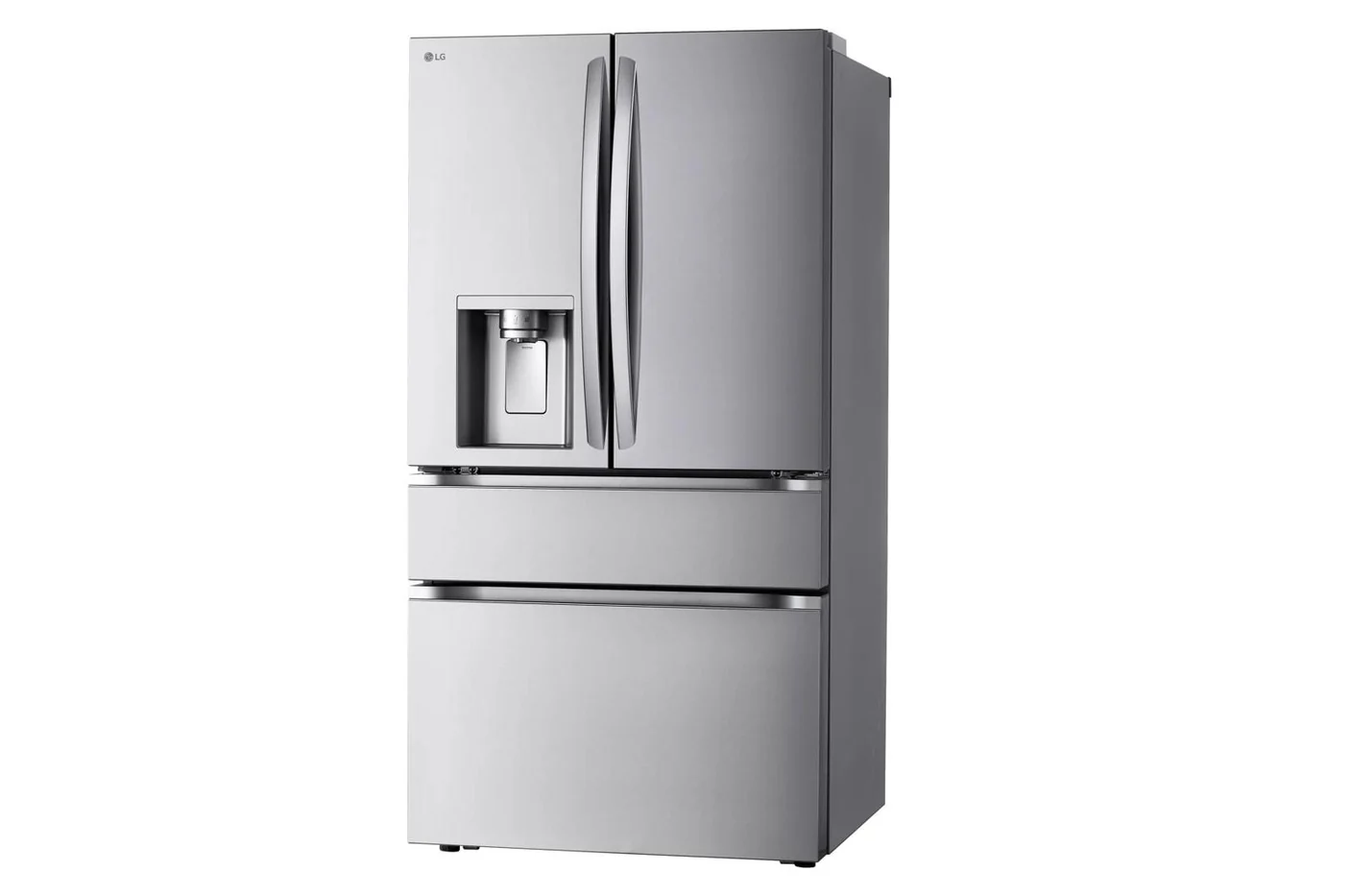
The Deli Drawer, Demystified: More Than Just a Snack Box
At its core, the deli drawer—also known as a “deli compartment” or “pantry drawer”—is a zone within your refrigerator designed to be slightly colder than the main compartment. This subtle temperature difference is the key to its magic. While the main body of your fridge is typically set between 35-38°F (about 1.7-3.3°C), the deli drawer aims for a temperature a few degrees cooler, often hovering just above freezing.
This colder, more stable environment is specifically engineered for the short-term storage of ready-to-eat items that are more perishable than, say, a jar of pickles or a carton of orange juice. It creates an ideal microclimate that slows down bacterial growth and preserves the texture and flavor of delicate foods.
But Why Does It Need to Be Different? The Science of Cold Cuts
You might be wondering, “Why can’t I just put my turkey and provolone on a regular shelf?” It’s a fair question. The answer lies in the science of food preservation.
Deli meats and cheeses are particularly susceptible to spoilage. Once opened, they are exposed to air and bacteria. The colder temperature in the deli drawer significantly inhibits the growth of bacteria like Listeria, which can thrive in standard refrigeration temperatures. This means your sliced ham, roast beef, and Swiss cheese not only stay safer for longer but also maintain their intended flavor and texture, preventing that dreaded slimy feel.
As David Chen, a Senior Appliance Design Engineer with over 15 years of experience, explains, “People often see these settings and think it’s overkill. But a few degrees can be the difference between sliced turkey that lasts a week and one that’s slimy in three days. The deli drawer provides that critical temperature stability, shielding its contents from the warm air blasts that flood the fridge every time you open the door.”
What is the Deli Drawer for in a Fridge? Your Go-To Storage Guide
So, what exactly should be living in this prime real estate? Think of it as your go-to spot for grab-and-go items and sensitive ingredients.
- The Classics: This is the drawer’s original purpose.
- Sliced deli meats (turkey, ham, roast beef)
- Cured meats (salami, prosciutto, pepperoni)
- Sliced and soft cheeses (Provolone, Swiss, Muenster, Brie)
- The Supporting Cast: Other items that benefit from the chill.
- Bacon and hot dogs
- Fresh tortillas and flatbreads
- Snack items like string cheese and yogurt tubes
- The Thawing Zone: It’s an ideal spot for safely thawing frozen meat. The cold, consistent temperature allows meat to thaw slowly and evenly without ever entering the “danger zone” (above 40°F) where bacteria multiply rapidly.
What to Keep Out: The most common mistake is treating it like a second crisper. Most fruits and vegetables require higher humidity to stay fresh and can be damaged by the colder, drier air of a deli drawer. Keep your lettuce, carrots, and apples in the crisper where they belong.
Bảng trống.Beyond the Basics: Types of Deli Drawers You’ll Encounter
As refrigerator technology has evolved, so has the humble deli drawer. You’ll likely encounter one of three main types when you’re shopping for a new appliance or exploring the one you already own.
The Standard Drawer
This is the most basic version. It’s simply a drawer located in a naturally colder part of the fridge, typically at the bottom. It doesn’t have any independent controls, relying on its position to maintain a cooler temperature. It’s effective, but offers no customization.
The Temperature-Controlled Drawer
This is where things get interesting. Often branded as a “FlexZone,” “Custom-Flex,” or “Pantry Drawer,” this advanced feature allows you to select a specific temperature setting based on what you’re storing. Common settings include:
- Deli/Snacks (~37°F/3°C): The standard setting for cheeses and meats.
- Meat/Fish (~32°F/0°C): The coldest setting, perfect for storing fresh, raw meat or fish you plan to cook within a day or two.
- Chill/Beverages (~34°F/1°C): Ideal for rapidly chilling drinks or storing items like yogurt and milk.
This flexibility makes the drawer incredibly versatile, adapting to your changing grocery list week after week.
The Humidity-Controlled Drawer
While less common for deli drawers (this feature is the hallmark of a crisper), some high-end models may include a humidity slider. For a deli drawer, you’ll almost always want to keep this on a low humidity setting to prevent moisture from making your meats and cheeses soggy.
Getting the Most Out of Your Deli Drawer: Pro Tips
Understanding what the deli drawer is for in a fridge is only half the battle. Using it correctly will make a world of difference.
- Set It and Forget It (The Right Way): If you have a temperature-controlled drawer, take a moment to set it for what you store most often. Don’t be afraid to change it. If you’re hosting a party, set it to “Beverages.” If you just bought fresh fish, switch it to “Meat.”
- Don’t Overpack: Air needs to circulate to maintain a consistent temperature. Stuffing the drawer to the brim will create warm spots and defeat the purpose. Keep items in a single layer if possible.
- Wrap It Up: Always keep deli meats and cheeses in their original packaging or tightly sealed in plastic wrap, bags, or airtight containers. This prevents them from drying out and stops odors from mingling.
- Practice “First In, First Out”: Just like a real deli, rotate your stock. Place newer items at the back and move older items to the front so they get used first.
Frequently Asked Questions (FAQ)
Q: What is the difference between a deli drawer and a crisper drawer?
A: The primary difference is humidity. A crisper drawer is designed to be a high-humidity environment to keep fruits and vegetables from wilting. A deli drawer is a low-humidity, colder-temperature environment designed for meats, cheeses, and other perishables.
Q: Can I store raw meat in the deli drawer?
A: Yes, it’s one of the best places for it! If your drawer has a “Meat” setting (around 32°F or 0°C), that is ideal. Always ensure raw meat is securely packaged on a plate or in a container to prevent any juices from leaking and contaminating other foods.
Q: My deli drawer doesn’t have any special controls. Is it still effective?
A: Absolutely. Even a standard, non-controlled deli drawer is located in a colder part of the fridge. It will still do a better job of preserving your deli items than a regular shelf, which is subject to greater temperature fluctuations.
Q: How often should I clean my deli drawer?
A: You should wipe up any spills immediately and aim to give it a thorough cleaning with warm, soapy water at least once a month. This prevents the buildup of bacteria and odors.
Q: Why do my deli meats still go bad in the drawer?
A: The deli drawer extends freshness, it doesn’t grant immortality. Sliced meats still have a limited shelf life, typically 3-5 days after opening. The drawer helps you reach the maximum end of that range safely, but you should still adhere to use-by dates.
The Final Word
That simple drawer is far more than an afterthought; it’s a powerful tool in your food preservation arsenal. By understanding what the deli drawer is for in a fridge and using it correctly, you can stop throwing away slimy ham and dried-out cheese. You’ll save money, reduce food waste, and enjoy food that tastes fresher for longer. So go ahead, give that drawer the respect it deserves and unlock a new level of organization and freshness in your kitchen.