Ever open your fridge for a snack, only to be greeted by a wave of lukewarm air? It’s a frustrating moment, especially when you discover your ice cream is still perfectly frozen. A Refrigerator Freezer Is Cold But Fridge Is Warm is one of the most common—and confusing—appliance issues out there. But don’t panic or start pricing new units just yet. I’m here to walk you through exactly what’s going on and how you can likely fix it yourself. As the senior content expert at Refrigerator Max, I’ve seen this problem countless times, and the solution is often simpler than you think.
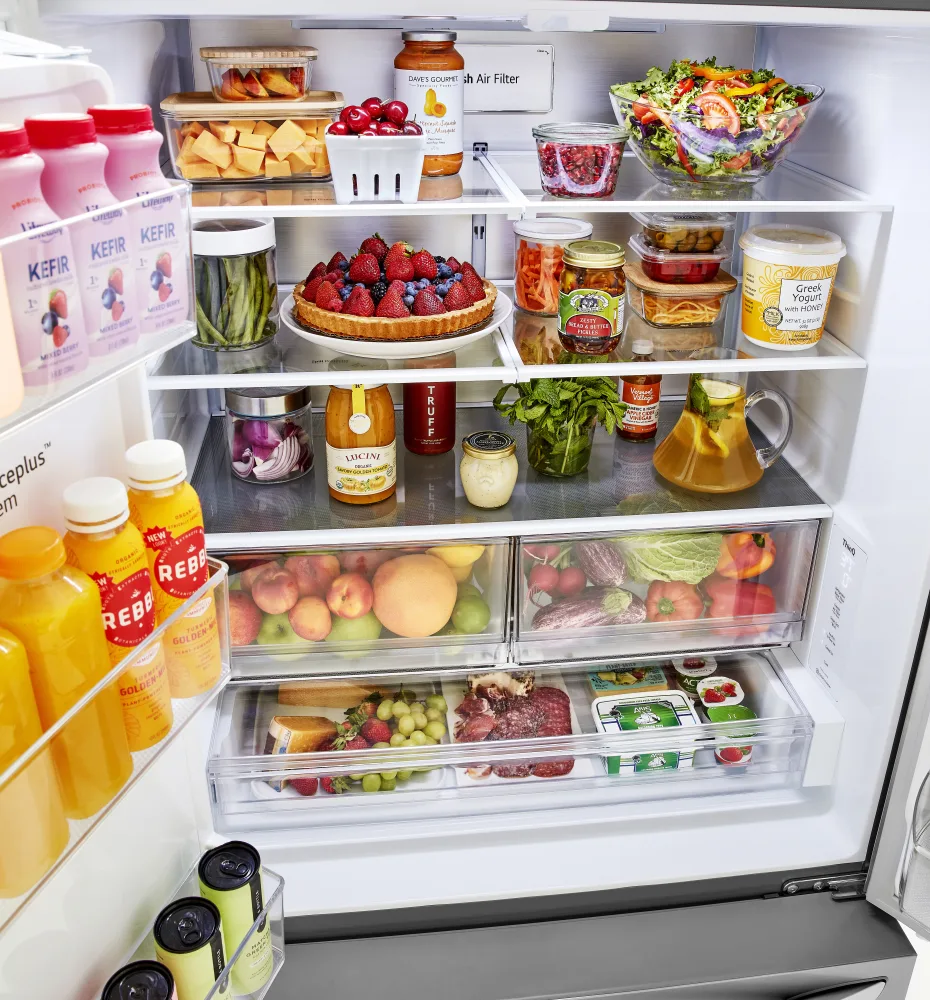
First, Let’s Understand the Basics: How Does a Refrigerator Even Work?
Before we dive into troubleshooting, let’s have a quick chat about how your refrigerator and freezer work together. Think of them as a team. The freezer is the powerhouse where all the seriously cold air is generated by a system of coils called the evaporator. Then, a small fan kicks in and blows a portion of that arctic air through a vent, or damper, into the refrigerator compartment to keep your milk and veggies chilled.
So, when your refrigerator freezer is cold but fridge is warm, it’s usually not a problem with the cooling system itself. The compressor is working, the refrigerant is flowing—the freezer is proof of that. The issue is almost always a breakdown in the airflow between the two compartments. The cold air is being created, but it’s just not getting where it needs to go.
What Are the Main Culprits? The Top 5 Reasons for a Warm Fridge
Let’s get down to brass tacks. Based on my experience, the problem almost always boils down to one of these five culprits. We’ll start with the easiest fixes and work our way to the more complex ones.
1. Blocked Air Vents
This is the number one suspect, and thankfully, the easiest to solve. That vent connecting the freezer to the fridge can get blocked by an overenthusiastic grocery run.
- The Symptom: Your fridge temperature slowly starts to climb, while the freezer feels like the North Pole.
- The Cause: A bag of frozen peas, a loaf of bread, or a box of ice pops is pushed up against the vent, physically stopping the cold air from entering the fridge.
- The Fix: Open your freezer and do some rearranging. Make sure there is clear space around the vents, which are usually located on the back or side wall. You want air to circulate freely. It’s that simple!
2. A Faulty Evaporator Fan
This is the little fan we talked about that pushes the cold air into the fridge. If it’s not spinning, the cold air stays trapped in the freezer.
- The Symptom: The fridge is warm, the freezer is cold, and you notice an unusual silence. You can’t hear the gentle hum of a fan when the compressor is running.
- The Cause: The fan motor might have burned out, or ice buildup could be physically blocking the fan blades from spinning.
- The Fix: You can often test this yourself. On most models, there’s a button on the door frame that gets pushed when the door closes. Press that button with your finger (while the freezer door is open). This should activate the evaporator fan. If you hear nothing, or a grinding/squealing noise, the motor is likely the problem and needs to be replaced.
3. A Frosted-Over Evaporator
This is a big one. Your refrigerator has an automatic defrost system designed to melt any ice that builds up on the evaporator coils. If this system fails, the coils become encased in a block of ice, choking off all airflow.
- The Symptom: The refrigerator freezer is cold but fridge is warm, and you might see a solid wall of frost on the back panel inside your freezer.
- The Cause: The defrost system is a team of three parts: a defrost heater, a defrost thermostat, and a defrost timer (or control board). If any one of these components fails, the cycle won’t run.
- The Fix: This is a more involved repair. It starts with manually defrosting your freezer (unplug the unit, empty it, and let all the ice melt for 24-48 hours). If the problem returns a week or two later, you know one of the defrost components has failed and will need to be tested and replaced by a technician or a skilled DIYer.
Expert Take: According to John Carter, a certified appliance technician with 20 years in the field, “Nine times out of ten, when I see a frosted-over evaporator, it’s the defrost thermostat that’s failed. It’s an inexpensive part, but it’s the gatekeeper for the whole defrost cycle. If it doesn’t sense the coils are cold enough, the heater never gets the signal to turn on.”
4. A Broken Damper Control
The damper is a small, automated door that opens and closes to regulate how much cold air enters the fridge. If it gets stuck in the closed position, it’s like shutting the door on your food’s air conditioning.
- The Symptom: The fridge is warm, but the freezer is at the perfect temperature. You might notice the temperature difference is very stark.
- The Cause: The damper can fail mechanically or electrically, causing it to get stuck.
- The Fix: You can sometimes see the damper at the top or back of the refrigerator section. If it looks stuck or you see ice around it, that’s likely your problem. Replacing it is a moderately difficult DIY job.
5. A Clogged Defrost Drain
When the defrost cycle runs, the melted ice (water) needs somewhere to go. It flows down a small drain tube to an evaporation pan underneath the fridge. If this drain gets clogged with ice or debris, the water backs up and refreezes, often at the bottom of the freezer, which can eventually block the air vents.
- The Symptom: You find a sheet of ice on the floor of your freezer, and your fridge is starting to get warm.
- The Cause: Food particles or other debris have created a blockage in the drain line.
- The Fix: After a manual defrost, locate the drain hole in the freezer (usually at the back, below the evaporator coils). Use a turkey baster or a small funnel to flush the line with warm water to clear the clog.
Your Step-by-Step DIY Troubleshooting Plan
Feeling ready to tackle the problem? Here’s a simple checklist to follow.
- Safety First! Before you do anything that involves removing panels, unplug your refrigerator from the wall.
- Check the Vents: This is step one. Open the freezer and fridge and ensure all air vents are completely clear of food items. Give them at least a few inches of breathing room.
- Listen for the Fan: Open the freezer door and press the door switch. Can you hear a fan running? If not, the evaporator fan is your likely suspect.
- Inspect for Frost: Remove the panel at the back of the freezer interior. Do you see coils caked in thick frost? If so, you have a defrost system problem.
- Manually Defrost: If you found heavy frost, your best bet is to perform a full manual defrost. Unplug the unit, empty it completely, and place towels down to catch water. Leave the doors open for at least 24 hours. This often provides a temporary fix and confirms the issue is with the defrost system.
- Call for Backup: If you’re not comfortable testing electrical components like motors or thermostats, or if the problem persists after a defrost, it’s time to call a qualified appliance repair technician.
Frequently Asked Questions (FAQ)
Q: My refrigerator freezer is cold but fridge is warm. How long will it take to cool down after I fix it?
A: After clearing a blocked vent or defrosting the unit, it can take anywhere from 4 to 24 hours for the refrigerator to return to its set temperature. Be patient and keep the doors closed as much as possible to help the process along.
Q: Can I just chip the ice off my evaporator coils instead of doing a full defrost?
A: It’s not recommended. The coils and refrigerant lines are delicate and can be easily punctured. A puncture would lead to a refrigerant leak, which is a much more expensive and serious repair. A slow, natural thaw is the safest method.
Q: How do I know if it’s cheaper to repair or replace my refrigerator?
A: A good rule of thumb is the 50% rule. If your refrigerator is more than halfway through its expected lifespan (typically 10-15 years) and the cost of the repair is more than 50% of the price of a new, comparable model, it’s usually more cost-effective to replace it.
Q: Is it safe to eat the food in my warm fridge?
A: According to the FDA, perishable food that has been above 40°F (4°C) for more than two hours should be discarded. When in doubt, throw it out. It’s not worth the risk of foodborne illness.
Q: Could a dirty condenser coil cause this specific problem?
A: While dirty condenser coils (located on the back or underneath the fridge) can cause general cooling issues, they typically affect both the freezer and the refrigerator. The specific symptom of a refrigerator freezer is cold but fridge is warm almost always points to an internal airflow problem, not dirty coils.
The Final Word on Your Fridge’s Warm-Up
Dealing with a malfunctioning appliance is never fun, but hopefully, you now feel empowered to diagnose the issue. Remember, when your refrigerator freezer is cold but fridge is warm, it’s a clear sign that cold air isn’t being shared correctly. By methodically checking for blocked vents, a faulty fan, or a frozen-over defrost system, you can often pinpoint the problem and get your kitchen’s most important appliance back in working order without a costly service call.