Let’s be honest, we’ve all been there. You open your refrigerator door, ready to grab a snack, and you’re hit with a mysterious, unpleasant smell. It’s that phantom “fridge funk” that can ruin your appetite. Before you start questioning last night’s leftovers, know that there’s a simple, classic, and incredibly effective solution. The practice of Using Baking Soda In Fridge For Odors isn’t just an old wives’ tale; it’s a science-backed trick that has stood the test of time, and today, we’re going to break down exactly how it works and how you can become a master of fridge freshness.
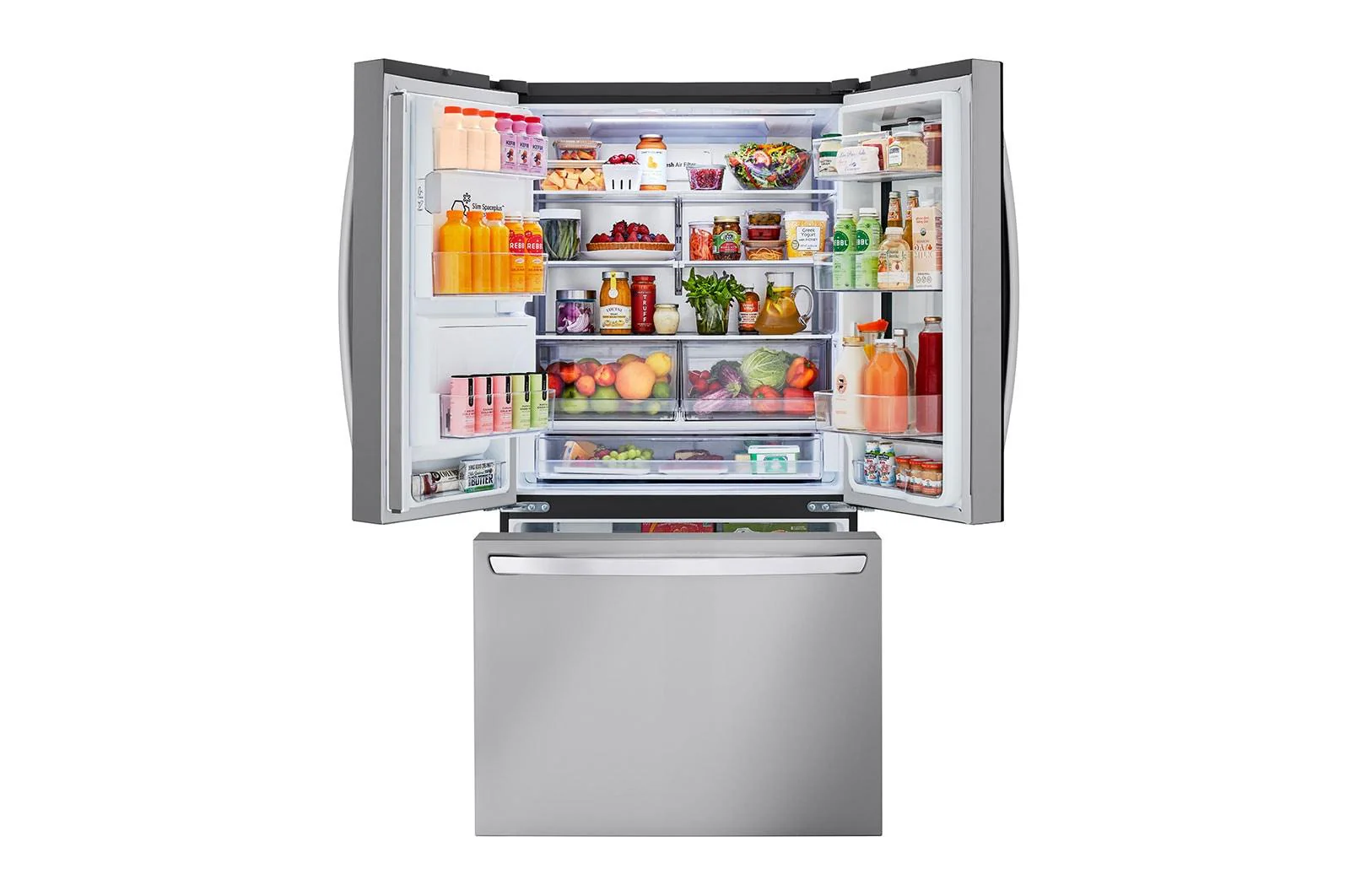
Why Does Baking Soda Actually Work? The Science of a Fresh Fridge
So, what’s the magic behind this humble white powder? It’s not magic at all—it’s chemistry. Most of the funky smells wafting from your fridge come from food particles that have started to spoil. These particles, whether from a bit of spilled milk or aging produce, release strong acidic or basic odor molecules.
Here’s the cool part: baking soda, or sodium bicarbonate, is what’s known as an amphoteric compound. This fancy term simply means it can react with and neutralize both strong acids and strong bases.
“Think of baking soda as a smell magnet,” explains Dr. Amelia Vance, a food chemist and appliance efficiency expert. “The odor molecules floating around in your fridge are drawn to the surface of the baking soda, where they are neutralized. It doesn’t just mask the smell like an air freshener; it chemically alters the odor-causing particles, effectively eliminating them.”
Instead of just covering up the bad smell, using baking soda in fridge for odors actively removes the culprits from the air inside your sealed refrigerator, leaving it smelling clean and neutral.
The Right Way: A Step-by-Step Guide to Using Baking Soda in Fridge for Odors
Just tossing a box in the fridge and hoping for the best isn’t the most effective strategy. To truly harness its deodorizing power, you need to do it right. Follow these simple steps for a fresh-smelling fridge in no time.
- Choose Your Baking Soda: You don’t need anything fancy. A standard box of baking soda from any grocery store will do the trick perfectly. Many brands even sell boxes with breathable side panels specifically designed for refrigerators and freezers.
- Select the Right Container: While a specially designed box is convenient, it’s not necessary. The key is surface area. The more baking soda exposed to the air, the more effective it will be.
- Good: An open box of baking soda.
- Better: Pouring at least one cup of baking soda into a shallow, open bowl or small baking dish. This dramatically increases the surface area that can absorb odors.
- Find the Perfect Spot: Place the container of baking soda in a spot where it won’t be easily knocked over, but where there is decent air circulation. The back of a shelf is usually a great location. It stays out of the way but is centrally located enough to work on the entire space.
- Set a Reminder to Replace It: Baking soda doesn’t work forever. Over time, its surface becomes saturated with all the odor molecules it has neutralized, and it loses its effectiveness. You should aim to replace the baking soda in your fridge every 3 months. A great tip is to write the date you placed it in the fridge on the box or a piece of tape on the bowl.
How much baking soda should I use in my fridge?
For a standard-sized refrigerator, about one cup of baking soda is sufficient. If you have a larger model, like a high-capacity French Door or Side-by-Side unit, you might consider using two containers in different areas of the fridge for maximum odor-fighting coverage.
Pro Tips for Maximum Freshness
Ready to take your fridge-freshening game to the next level? Here are a few expert tips I’ve picked up over the years.
- Spill Patrol: Did something leak or spill? After cleaning the area with soap and water, you can sprinkle a little dry baking soda directly on the spot. Let it sit for 15-20 minutes to absorb any lingering odors from the spill, then wipe it clean with a damp cloth.
- The Power of a Paste: For a deep clean, mix baking soda with a small amount of water to create a paste. You can use this non-abrasive scrub to clean shelves, drawers, and the interior walls of your fridge. It cleans stains and deodorizes at the same time. Check out our guide to [deep cleaning your refrigerator] for more details.
- Don’t Forget the Freezer: Odors can easily travel between your fridge and freezer compartments. It’s a great idea to place a separate open box or bowl of baking soda in your freezer, following the same 3-month replacement schedule.
What to Do When Baking Soda Isn’t Enough
While using baking soda in fridge for odors is a fantastic first line of defense, sometimes you’re dealing with a particularly stubborn smell. If the funk persists, it might be time to bring in some reinforcements.
| Deodorizer | How It Works | Best For |
|---|---|---|
| Activated Charcoal | Highly porous, it traps odor molecules in its vast network of pores. | Extremely strong, persistent odors like spoiled fish or rotten produce. |
| Ground Coffee | Fresh, dry coffee grounds on a plate absorb odors and leave a faint coffee scent. | General mustiness or moderate food smells. |
| White Vinegar | The acetic acid in vinegar neutralizes alkaline odors. | Wiping down surfaces after cleaning to remove lingering smells. |
| Oats | Uncooked rolled oats in a bowl can absorb ambient smells. | Mild, everyday odors. |
If none of these solutions work, the odor might be coming from a hidden spill that has seeped into a crevice or a problem with your drip pan. A thorough top-to-bottom cleaning is likely in order.
Prevention: The Best Way to Fight Fridge Odors
The most effective way to deal with fridge odors is to stop them before they start. A little bit of regular maintenance can save you from ever having to deal with a smelly fridge again.
- Seal Your Leftovers: Store all food, especially pungent items like onions, garlic, and certain cheeses, in airtight containers.
- Label and Date: Put a date on your leftovers so you know when it’s time to toss them. A good rule of thumb is the “four-day rule.”
- Wipe Spills Immediately: Don’t let spills sit and soak in. Clean them up right away with warm, soapy water.
- Regular Purges: Once a week, before you go grocery shopping, take a quick inventory of your fridge. Throw out any old produce, expired condiments, or questionable leftovers.
- Check Temperatures: Ensure your refrigerator is set to the correct temperature, which is at or below 40°F (4°C), to slow bacterial growth. Our guide on [optimizing refrigerator temperature settings] can help.
Frequently Asked Questions (FAQ)
Q: Can I use the same baking soda from my fridge for baking?
A: It’s not recommended. The baking soda in your fridge has absorbed countless food odors, which can transfer to your baked goods, giving them a strange, off-putting taste. It’s best to use a fresh box for cooking and baking.
Q: Does baking powder work the same as baking soda for fridge odors?
A: No, they are not the same. Baking powder is a mixture of baking soda, an acid (like cream of tartar), and a starch. It does not have the same powerful odor-neutralizing properties as pure sodium bicarbonate.
Q: How long does it take for baking soda to start working?
A: You should start to notice a difference within a few hours, but it can take up to 24 hours for the baking soda to fully absorb strong, set-in odors.
Q: Is it safe to use baking soda in the fridge?
A: Absolutely. Baking soda is completely non-toxic and food-safe, making it one of the safest and most natural cleaning and deodorizing products you can use in your kitchen.
Q: What is the best place to put the baking soda container?
A: The best place is on a middle or back shelf where it won’t be in the way. This central location allows it to effectively absorb odors from both the top and bottom of the refrigerator as air circulates.
Conclusion: Your First Step to a Fresher Fridge
A clean, fresh-smelling refrigerator is a cornerstone of a happy kitchen. It makes your food more appealing and your daily routine more pleasant. While modern refrigerators come with advanced air filtration systems, the simple, inexpensive, and powerful method of using baking soda in fridge for odors remains an essential tool for every homeowner. By understanding how it works and using it correctly, you can easily banish bad smells and ensure your fridge is always a welcoming space for your fresh food.