The best refrigerator for garage use is a “garage-ready” model, specifically engineered to operate reliably in extreme temperature fluctuations, typically ranging from 38°F to 110°F. Unlike standard kitchen refrigerators designed for stable indoor climates (60°F-80°F), garage-ready units feature enhanced insulation and more robust compressors to prevent food spoilage in winter and overheating in summer, ensuring consistent performance and longevity.
Garages are not insulated and climate-controlled like kitchens. They experience significant temperature swings, becoming very hot in summer and near freezing in winter. This makes a specialized “garage-ready” refrigerator an essential appliance for reliable cold storage.
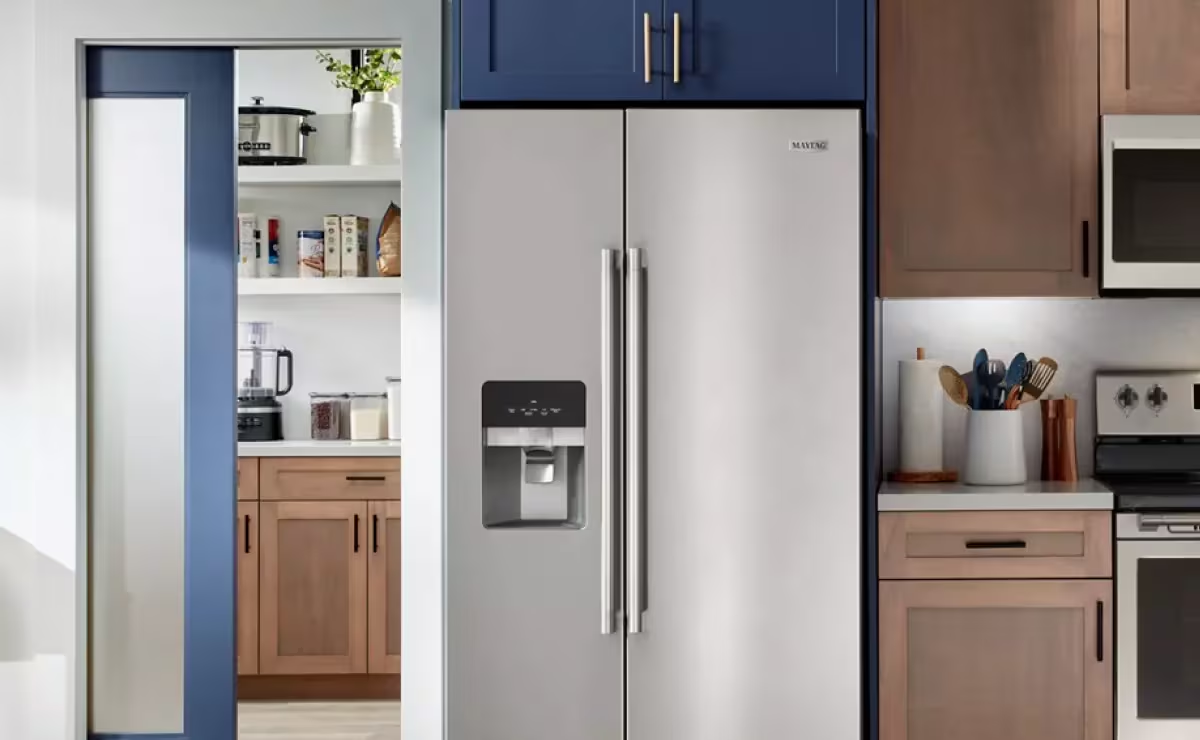
Why a Regular Fridge Just Won’t Cut It in the Garage
A standard refrigerator is designed to function within a stable indoor temperature range, typically between 60°F and 80°F. Placing one in a garage leads to two major problems:
The Winter Woes: When Cold is a Problem
This is the most common issue. In a typical refrigerator-freezer combo, a single thermostat inside the freezer section controls the compressor, aiming for around 0°F. If the garage temperature drops to 35°F, the freezer’s thermostat senses the cold ambient air and shuts off the compressor. Without the cooling cycle, the refrigerator compartment warms up to the garage’s temperature, causing food to spoil.
The Summer Struggle: Overworked and Overheating
During a summer heatwave, a standard kitchen fridge in a hot garage has to work overtime. The compressor runs constantly to combat the oppressive heat, leading to:
- Sky-high electricity bills: A constantly running compressor consumes excessive energy.
- Premature failure: Relentless strain wears out components much faster.
- Poor performance: Even at full capacity, it may struggle to keep food at a safe, consistent temperature.
The best refrigerator for garage environments is specifically engineered to overcome these challenges, ensuring reliable performance no matter the season.
Key Features to Look for in the Best Refrigerator for a Garage
When searching for a garage refrigerator, prioritize these non-negotiable features:
- Garage-Ready Certification: This label indicates the unit is tested and designed to operate reliably in a wide temperature range, often from 38°F up to 110°F. This is achieved with better insulation, robust compressors, and sometimes built-in heater coils.
- Superior Insulation: Enhanced insulation reduces the effort required to maintain internal temperatures, improving both performance and energy efficiency.
- Durability and Build Quality: Look for a sturdy exterior, strong shelving, and heavy-duty casters if mobility is needed. A textured finish can hide minor dings better than a smooth, glossy one.
- Energy Efficiency (Energy Star): An Energy Star rating is crucial for garage units, as they may work harder. It ensures the appliance meets strict federal guidelines for energy efficiency, saving money on utility bills.
- Reversible Door: This feature provides flexibility for placement in awkward garage layouts by allowing the door swing direction to be changed.
What Are the Top Refrigerator Types for a Garage?
The ideal refrigerator type depends on its intended use:
Top-Freezer Refrigerators
This is a classic and common choice for garages due to its cost-effectiveness, reliability, and balanced fridge/freezer space. Their simple design often makes them durable and easier to repair, making them perfect for general-purpose overflow storage.
All-Refrigerator (Freezerless) Models
If you have a separate freezer and only need more fresh food space for drinks, produce, or platters, a freezerless model is excellent. They offer a large amount of refrigerated space in a small footprint and are simple and reliable without a freezer component.
Chest and Upright Freezers
For primary long-term frozen storage, a dedicated freezer is best.
- Chest Freezers: These are highly energy-efficient for long-term storage because cold air escapes minimally when the lid is opened. They are ideal for large, bulky items.
- Upright Freezers: Offering shelves and door bins, these provide better organization and easier access. They occupy less floor space but are generally less energy-efficient than chest models.
“I see it all the time. People put a standard fridge in the garage, and in a year or two, I get a call because it’s dead. The single biggest piece of advice I can give is to check the specs. If the manufacturer says it’s ‘garage-ready’ or lists an operating range that fits your climate, you’re making a solid investment. If not, you’re just gambling.” – Michael Carter, Appliance Repair Technician
Pro Tips for Maintaining Your Garage Refrigerator
Once you’ve found the perfect model, a little TLC will ensure it runs efficiently for years.
- Give It Room to Breathe: Ensure a few inches of clearance on the back and sides for proper airflow to the condenser coils.
- Keep it Level: An unlevel refrigerator can cause the door to not seal properly, leading to cold air leaks and increased compressor workload. Adjust the feet with a level.
- Clean the Coils: Annually, unplug the unit and use a brush or vacuum to clean dust and cobwebs off the condenser coils. Clean coils dissipate heat more effectively, improving efficiency.
- Check the Door Seals: Periodically inspect the rubber gaskets for cracks or brittleness. Test the seal by closing the door on a dollar bill; if it pulls out easily, the gasket may need replacement.
Frequently Asked Questions (FAQ)
Q: What is the main difference between a ‘garage-ready’ refrigerator and a regular one?
A: The key difference is the operating temperature range. A garage-ready refrigerator is built with more robust components and better insulation to function reliably in extreme temperatures (e.g., 38°F to 110°F), whereas a standard fridge is designed for a stable indoor climate.
Q: Can I just put a freezer in the garage instead?
A: Yes, most modern freezers, especially chest freezers, are designed to work well in a wider range of temperatures and are a great choice for garage use. However, always check the manufacturer’s recommended operating temperature range to be certain it’s suitable for your climate.
Q: How much more does a garage-ready refrigerator cost?
A: You can expect to pay a slight premium, typically 10-20% more than a comparable standard model. However, this extra cost is easily justified by the improved reliability, longevity, and prevention of food spoilage, saving you money in the long run.
Q: Will the best refrigerator for garage use significantly increase my electricity bill?
A: It will increase your bill, but a modern, Energy Star certified garage-ready model will be surprisingly efficient. Its ability to handle temperature swings without running constantly will often make it more economical than using an old, inefficient kitchen fridge in the same environment.
Q: What temperature should I set my garage refrigerator to?
A: For the fresh food section, you should aim for a temperature between 35°F and 38°F to ensure food safety. The freezer compartment should be set to 0°F for optimal long-term storage of frozen goods.
Your Perfect Garage Refrigerator Awaits
Choosing the best refrigerator for garage use boils down to one critical factor: finding a unit specifically built to handle the environment you’re putting it in. Don’t be tempted by a cheap, standard model; the potential for spoiled food and a fried compressor simply isn’t worth the risk. By focusing on garage-ready models with great insulation and the right features for your needs, you’re not just buying an appliance—you’re making a smart, long-term investment in convenience and peace of mind. Now you can stock up with confidence, knowing your cold storage workhorse is up to the task.
Frequently Asked Questions
What is the main difference between a 'garage-ready' refrigerator and a regular one?
The key difference is the operating temperature range. A garage-ready refrigerator is built with more robust components and better insulation to function reliably in extreme temperatures, typically from 38u00b0F to 110u00b0F. In contrast, a standard fridge is designed for a stable indoor climate, usually between 60u00b0F and 80u00b0F.
Can I just put a freezer in the garage instead of a refrigerator?
Yes, most modern freezers, especially chest freezers, are designed to work well in a wider range of temperatures and are a great choice for garage use. However, always check the manufacturer's recommended operating temperature range to ensure it is suitable for your specific climate conditions.
How much more does a garage-ready refrigerator typically cost?
You can expect to pay a slight premium for a garage-ready model, typically 10-20% more than a comparable standard model. This extra cost is justified by improved reliability, extended longevity, and the prevention of food spoilage, leading to long-term savings.
Will a garage-ready refrigerator significantly increase my electricity bill?
While any additional appliance will increase your bill, a modern, Energy Star certified garage-ready model will be surprisingly efficient. Its design allows it to handle temperature swings without running constantly, often making it more economical than using an old, inefficient kitchen fridge in the same environment.
What temperature settings are recommended for a garage refrigerator?
For the fresh food section, you should aim for a temperature between 35u00b0F and 38u00b0F to ensure food safety and prevent bacterial growth. The freezer compartment should be set to 0u00b0F for optimal long-term storage of frozen goods, maintaining their quality and safety.
Maintain Your Garage Refrigerator for Longevity
Follow these steps to ensure your garage refrigerator runs efficiently and lasts for years, preventing common issues caused by extreme temperatures.
Do not push the refrigerator directly against a wall. Most units require a few inches of clearance on the back and sides to allow proper airflow to the condenser coils. Adequate ventilation prevents the compressor from overheating and working inefficiently.
An unlevel refrigerator can prevent the door from sealing properly, leading to cold air leaks and forcing the compressor to work harder. Use a level to check the appliance and adjust its feet as needed to ensure it sits evenly on the floor.
At least once a year, unplug the unit and use a brush or vacuum cleaner to remove dust and cobwebs from the condenser coils. Clean coils dissipate heat more effectively, which significantly improves the refrigerator's energy efficiency and overall performance.
Periodically check the rubber gaskets around the refrigerator door for any cracks or brittleness. Damaged seals compromise the airtight closure. You can test the seal by closing the door on a dollar bill; if it pulls out easily, the gasket may need to be replaced to maintain efficiency.
Get our weekly buyer guide
Practical specs, not advice. Unsubscribe anytime.
This was super helpful in understanding why my old kitchen fridge always struggled in the garage. The explanation about standard refrigerators needing stable indoor climates (60°F-80°F) made a lot of sense. I ended up getting a new unit with enhanced insulation, and it’s been a game-changer for keeping beverages cold even when it’s freezing outside. Wish I’d known this sooner!
I’m so glad I read this before buying just any old fridge for my garage. The point about ‘garage-ready’ models being engineered for extreme temperature fluctuations really hit home. We live in Arizona, and our garage gets incredibly hot in the summer. This guide saved me from making a costly mistake and now our extra drinks and freezer items are perfectly chilled year-round.
I appreciated the info on robust compressors for garage fridges. My only minor complaint is that it didn’t really dive into specific brands that offer these features. It’s good to know the technical reasons, but a few more concrete product examples would have made it even better for someone like me who’s trying to make a quick purchase decision. Still, useful overall.
Finally, someone explains why a regular fridge just won’t cut it! I’ve had issues with food spoilage in winter and overheating in summer with my old hand-me-down. Understanding that these specialized units are designed for 38°F to 110°F is exactly what I needed to hear. My new garage fridge is working perfectly, no more worries about my extra groceries.