Walking into your kitchen and grabbing a cold drink is one of life’s simple pleasures, something we all take for granted. But what happens when that trusty cold box starts making weird noises or, worse, isn’t so cold anymore? It’s a question we all face eventually. So, How Long Should A Refrigerator Last? The answer isn’t as simple as a number on a box, but understanding it can save you a ton of money and a whole lot of spoiled milk. It’s about more than just a ticking clock; it’s about technology, maintenance, and knowing when it’s time to say goodbye.
Let’s dive in and unpack everything you need to know about the lifespan of the hardest-working appliance in your home.
The 10-Year Myth: What’s the Real Lifespan?
You’ve probably heard the “10-year rule” thrown around. While it’s a decent ballpark figure, the reality is a bit more nuanced. On average, a standard refrigerator lasts between 10 to 15 years. However, this can swing wildly depending on several key factors. Think of it like a car; a well-maintained, simple sedan will often outlast a complex, high-performance sports car that’s driven hard and put away wet.
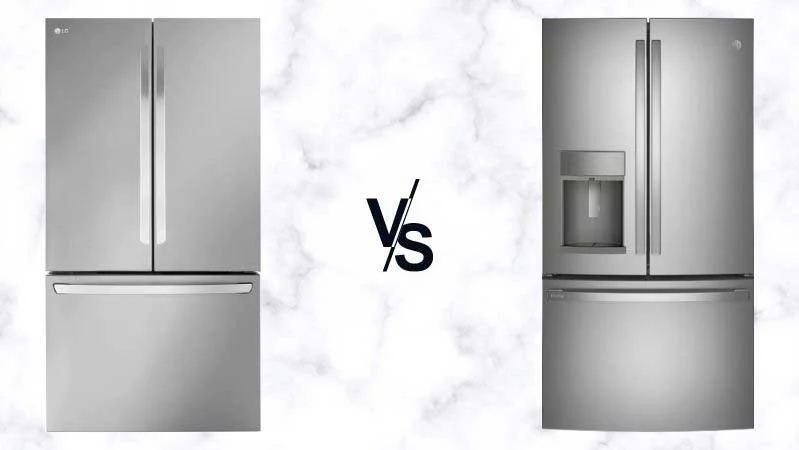
A basic top-freezer model with no ice maker or water dispenser has fewer parts that can break, so it’s not uncommon to see these workhorses chugging along for 15, even 20 years. On the other hand, a high-tech French door or side-by-side model, packed with smart features and complex ice-making systems, introduces more potential points of failure, often leading to a lifespan closer to the 8-12 year range.
What Factors Determine How Long a Refrigerator Should Last?
So, why does your neighbor’s fridge from the 90s still work while your 7-year-old smart fridge is on the fritz? It comes down to a few critical elements. Understanding these will not only help you diagnose your current unit but also help you choose your next one wisely.
The Type of Refrigerator Matters
Not all fridges are created equal. The design and complexity play a massive role in their longevity.
- Top-Freezer & Bottom-Freezer: These are the simplest designs. With fewer moving parts and less complex systems, they are generally the most reliable and often have the longest lifespans, frequently reaching the 15-year mark or beyond.
- Side-by-Side: These models are more complex, with elaborate ice and water dispensers running through the door. This added complexity means more things can go wrong, typically placing their lifespan in the 10-14 year range.
- French Door: The darlings of modern kitchen design, these are often the most feature-rich and, consequently, the most complex. Their in-door ice makers and sophisticated cooling zones can lead to a shorter average lifespan, often between 8 to 12 years.
- Compact/Mini-Fridges: These little guys are often built with less robust components and can have a much shorter life, typically around 4-8 years.
Brand and Build Quality
It’s no secret that some brands have a better reputation for durability than others. While even the best brands can produce a lemon, manufacturers known for using higher-quality compressors, better insulation, and more robust components tend to produce refrigerators that last longer. Do your homework and read long-term reviews before you commit. Our guide on the best refrigerator brands of the year is a great place to start.
Your Maintenance Habits (Or Lack Thereof)
A little TLC goes a long way. A refrigerator is a machine that runs 24/7, 365 days a year. Neglecting basic maintenance is like never changing the oil in your car. Simple tasks like cleaning the condenser coils can dramatically improve efficiency and extend the life of your appliance.
Is Your Refrigerator on Its Last Legs? 5 Warning Signs
Your fridge will usually give you some hints before it completely gives up the ghost. Learning to spot these signs can help you decide if it’s time to call a repair person or start shopping for a replacement.
- It’s Sweating (Excessive Condensation): If you notice condensation on the outside of your fridge, it’s a red flag. This often means the door seals aren’t working correctly, forcing the unit to work overtime to stay cool. This constant strain can lead to premature failure.
- The Motor is Running Hot: It’s normal for the back of the fridge to feel slightly warm, but if it’s hot to the touch, the compressor is likely struggling. This could be due to dirty coils or a more serious mechanical issue.
- Your Food is Spoiling Faster: This is the most obvious sign. If your milk is souring before its expiration date or your veggies are wilting quickly, your fridge isn’t maintaining a consistent, safe temperature.
- It’s Making a Racket: Every fridge hums, but if that hum turns into a loud, persistent buzzing, clanking, or vibrating, it’s a cry for help. The compressor or one of the fans could be failing.
- Skyrocketing Energy Bills: An old, inefficient refrigerator can be a real energy vampire. If your electricity bill has been creeping up for no apparent reason, your aging fridge might be the culprit. A new Energy Star model could pay for itself in savings over a few years.
To Repair or Replace? The Million-Dollar Question
When your fridge starts acting up, you’re faced with a tough choice. Do you sink a few hundred dollars into a repair or invest in a brand-new appliance?
A good guideline to follow is the 50% Rule.
If your refrigerator is more than halfway through its expected lifespan and a repair costs more than 50% of the price of a comparable new model, you should replace it.
Let’s say you have an 8-year-old French door fridge (expected lifespan: ~12 years) and the repair for a faulty compressor is quoted at $600. A similar new model costs $1500. Since the repair is less than 50% of the replacement cost, it might be worth considering. However, if that repair was $800, replacement becomes the much smarter financial decision.
As Maria Chen, a Senior Appliance Engineer with over 20 years of experience, puts it:
“People often focus only on the immediate repair cost. They forget to factor in the energy savings. A modern refrigerator can be 40-50% more efficient than a model from a decade ago. Sometimes, replacing an aging, problematic unit is not just about avoiding future repairs; it’s an investment that lowers your monthly bills.”
How Can You Make Your Refrigerator Last Longer?
Want to squeeze every last year out of your appliance? It’s easier than you think. Following this simple maintenance checklist can add years to its life.
- Clean the Condenser Coils: At least twice a year, pull your fridge out and vacuum the coils on the back or bottom. Dust and pet hair act like an insulator, forcing the compressor to work harder.
- Check and Clean the Door Gaskets: Wipe down the rubber seals around the doors regularly. A clean seal is an effective seal. You can test it by closing the door on a dollar bill. If you can pull it out easily, the seal might need replacing.
- Keep It Full, But Not Too Full: A well-stocked fridge holds the cold better than an empty one. However, don’t cram it so full that air can’t circulate. Proper airflow is essential for efficient cooling.
- Set the Right Temperature: Your refrigerator should be set between 37°F and 40°F (3°C to 4°C), and the freezer at 0°F (-18°C). Any colder is a waste of energy.
Frequently Asked Questions About Refrigerator Lifespan
Q: Which refrigerator brand lasts the longest?
A: There isn’t one single “best” brand for longevity, as models vary. However, brands like Whirlpool, GE, and Frigidaire often receive high marks for reliability in their simpler top-freezer and bottom-freezer models. High-end brands like Sub-Zero are built for a 20+ year lifespan but come with a significantly higher price tag.
Q: Is a 20-year-old refrigerator still good?
A: While it may still be running, a 20-year-old refrigerator is incredibly inefficient by today’s standards. It could be costing you hundreds of dollars extra per year in electricity. Replacing it with a new Energy Star model is almost always a smart financial move.
Q: What’s the most common part to fail on a refrigerator?
A: The ice maker is by far the most common point of failure. It’s a complex mechanical system that’s constantly dealing with freezing and thawing. Other common issues involve the compressor starter relay and the defrost thermostat.
Q: Does an extended warranty make sense for a refrigerator?
A: It depends. For a simple, inexpensive top-freezer, it’s often not worth the cost. For a high-tech, feature-packed French door model with a price tag over $2,000, an extended warranty can provide peace of mind, as repairs on these complex units can be very expensive.
Q: Can I put a refrigerator in my garage?
A: You can, but it’s not ideal unless the model is specifically designed as “garage-ready.” Standard refrigerators are designed to operate within a specific ambient temperature range. Extreme heat or cold in a garage can force the compressor to work too hard or not at all, drastically shortening its lifespan.
The Final Verdict on Your Refrigerator’s Lifespan
So, when it all comes down to it, how long should a refrigerator last? Think of 10-15 years as your baseline. From there, subtract years for complexity and lack of maintenance, and add years for simplicity and diligent care.
Ultimately, knowing when to replace your refrigerator is about more than just its age. It’s about listening for warning signs, weighing the cost of repairs against the benefits of a new, more efficient model, and making an informed decision. A smart choice won’t just keep your food fresh; it will save you money and headaches for years to come.