Walking into an appliance store can feel a little overwhelming, right? You’re surrounded by rows of gleaming stainless steel, all promising to be the new heart of your kitchen. But before you get dazzled by smart screens and fancy ice makers, there’s a fundamental choice you have to make, one that will define your kitchen’s entire look and feel. I’m talking about the great debate: Counter Depth Vs Standard Depth Refrigerator. It might sound like a minor detail, but trust me, getting this one decision right is the secret to a kitchen that’s not just functional, but truly beautiful and harmonious. It’s the difference between a seamless, professional-looking space and one that feels just a little… off. So, let’s roll up our sleeves and break it all down.
What Exactly is the Difference Anyway?
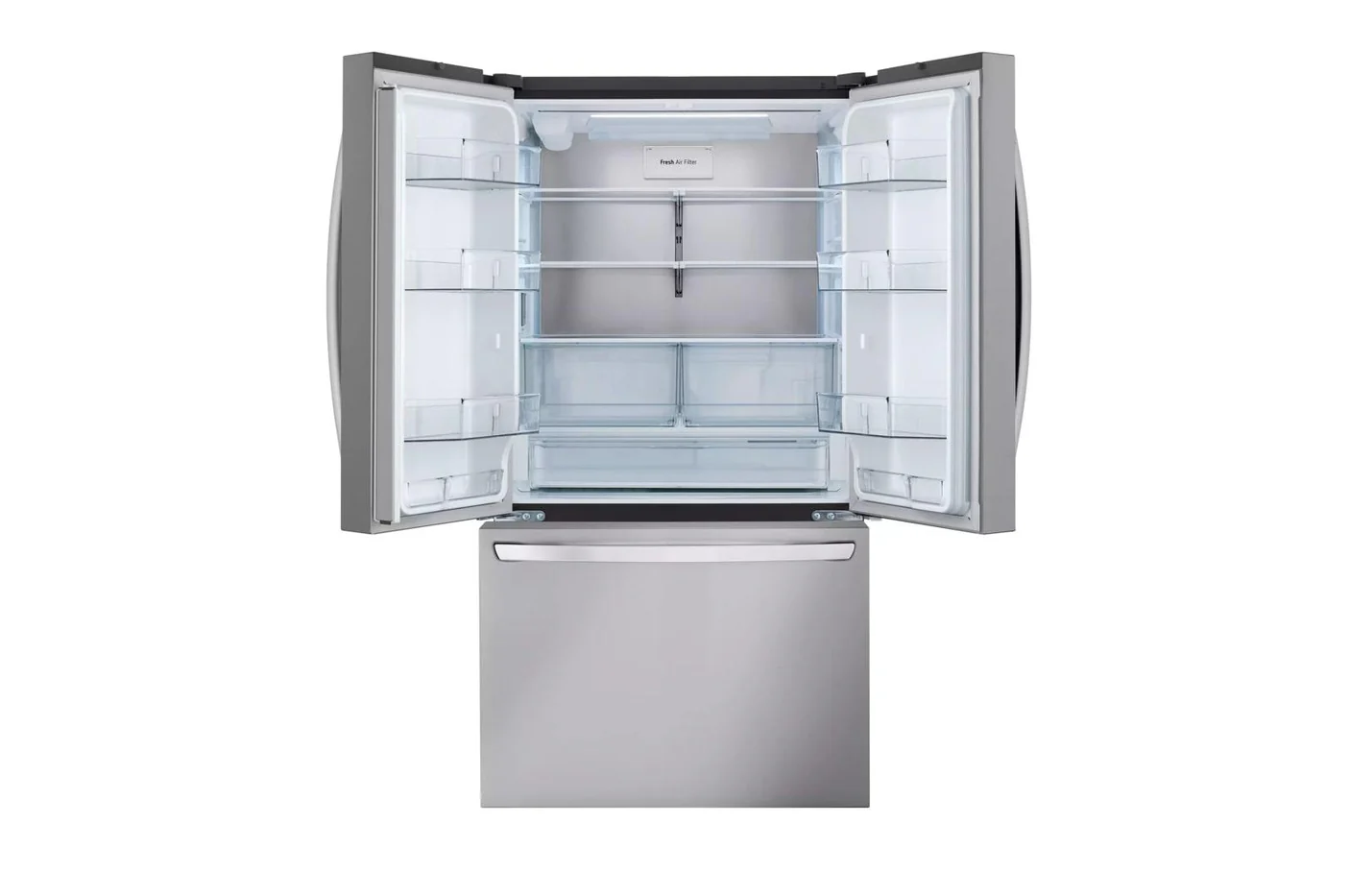
Let’s cut right to the chase. The primary difference between a counter depth and a standard depth refrigerator is, you guessed it, the depth of the main fridge box. This single dimension has a domino effect on everything from kitchen workflow to storage capacity and overall aesthetic.
A standard depth refrigerator is the traditional, workhorse model most of us grew up with. They typically measure between 30 to 36 inches in depth. Because standard kitchen counters are about 24-25 inches deep, these refrigerators will stick out from your cabinetry by a good 6 inches or more.
A counter depth refrigerator, on the other hand, is specifically designed to blend in. The box of the fridge is shallower, usually around 24 to 27 inches deep. This allows it to sit nearly flush with your surrounding cabinets, creating a sleek, streamlined, and often high-end “built-in” look without the built-in price tag. The doors will still protrude slightly so they can open freely, but the overall effect is much more integrated.
The Case for Standard Depth: Big, Bold, and Budget-Friendly
There’s a reason standard depth refrigerators have been the go-to for decades. Their main advantage is simple and powerful: maximum storage capacity for your money.
The Upsides of Going Standard
- More Bang for Your Buck: On average, you get more cubic feet of storage per dollar spent compared to a counter-depth model. If you’re feeding a large family or you love to stock up at warehouse clubs, that extra space is pure gold.
- Cavernous Capacity: That deeper design directly translates to more room for gallon jugs of milk, large pizza boxes, and all the leftovers from a holiday feast. You’re less likely to play a frustrating game of “food Tetris” every time you go grocery shopping.
- Wider Selection: Because they are the industry standard, you’ll find a massive variety of styles, brands, and feature sets available in standard depth dimensions.
The Downsides to Consider
- The Bulky Footprint: The most obvious drawback is that they protrude from your counters. In a smaller kitchen or a galley layout, this can create a bottleneck, disrupting the flow of traffic and making the space feel more cramped.
- Aesthetic Disruption: For those chasing a clean, modern kitchen design, a fridge that juts out can feel like a visual roadblock. It breaks the clean line of your cabinetry.
Why Go Counter Depth? The Sleek and Seamless Choice
Counter depth models are all about aesthetics and ergonomics. They are the choice for homeowners who want their kitchen to look and feel like it was professionally designed, with every element working in perfect harmony.
The Allure of the Integrated Look
- A High-End Aesthetic: The nearly-flush installation provides an incredibly clean, sophisticated, and built-in look. It elevates the entire design of your kitchen, making it feel more spacious and thoughtfully planned.
- Improved Kitchen Flow: By not sticking out into the walkway, a counter depth refrigerator can be a game-changer for traffic flow. It’s especially beneficial in kitchens with an island, ensuring there’s ample clearance to move around.
- Better Accessibility: A pleasant side effect of the shallower depth is that items are easier to see and reach. Things are less likely to get lost and forgotten in the back, which can even help reduce food waste.
The Trade-offs for Style
- Less Internal Capacity: This is the big one. To achieve that shallow profile, you inherently sacrifice some storage space. Manufacturers often try to compensate by making these models slightly wider or taller, but the cubic footage is generally less than a comparable standard depth model.
- Higher Price Tag: You’re paying a premium for the design and engineering that goes into a counter depth model. Expect to pay more for a fridge with the same features and brand as its standard depth counterpart.
Counter Depth vs Standard Depth Refrigerator: A Head-to-Head Battle
To make it even clearer, let’s put them side-by-side in a simple chart.
| Feature | Counter Depth Refrigerator | Standard Depth Refrigerator |
|---|---|---|
| Depth (Box) | ~24 – 27 inches | ~30 – 36 inches |
| Aesthetics | Sleek, integrated, “built-in” look | Traditional, can look bulky and protrude |
| Kitchen Flow | Excellent; keeps walkways clear | Can create bottlenecks in smaller or galley kitchens |
| Storage Capacity | Generally lower cubic footage | Maximized cubic footage for the price |
| Cost | Higher premium for the design | More cost-effective per cubic foot |
| Best For | Design-conscious homeowners, smaller kitchens, new builds | Large families, bulk shoppers, budget-conscious buyers |
A Pro Tip from the Trenches: David Chen, a lead appliance designer I’ve worked with for years, always says the same thing: “Measure everything three times. Measure your cutout space—height, width, and depth. Then, measure your doorways, hallways, and any tight corners on the delivery path. The most beautiful fridge in the world is useless if you can’t get it into your house.”
How Do I Choose the Right Refrigerator for My Kitchen?
Okay, you’ve got the theory down. Now, how do you apply it to your own home? It really comes down to answering four key questions.
- Measure Your Space (Seriously!): Get out that tape measure. What is the exact depth of your countertops? What is the width and height of the refrigerator cutout? Crucially, how much space do you have in front of the fridge for the door to swing open, and how wide is the walkway, especially if you have a kitchen island? Your measurements will often make the decision for you.
- Analyze Your Family’s Habits: Are you a family of five that buys in bulk, or a couple that eats out most nights? Be realistic about how much refrigerated and frozen space you actually need. Don’t pay for capacity you won’t use.
- Define Your Budget: As we’ve discussed, there’s a definite price difference. Decide what you’re comfortable spending. Sometimes, the extra cost of a counter depth model is worth it for the aesthetic gain, but for others, the extra storage of a standard depth model is the more practical investment.
- Consider Your Kitchen’s Style and Future: Are you doing a full renovation or just replacing an old appliance? If you’re planning a future remodel, a counter depth fridge might be a smart, forward-thinking choice. If you’re happy with your current layout and just need a reliable replacement, a standard depth model might be the easiest and most affordable option.
Remember, refrigerator styles like French Door, Side-by-Side, and Top/Bottom Freezer are available in both counter and standard depths. So once you decide on the depth, you can still choose the door configuration that works best for you.
Frequently Asked Questions
Do counter depth refrigerators really have less space?
Yes, they do. While manufacturers use clever designs to maximize the interior, a counter depth model will have less cubic footage than a standard depth model of a similar width and height. You’re trading some capacity for a streamlined look.
Are counter depth refrigerators always more expensive?
Generally, yes. For a similar model from the same brand with the same features, the counter depth version will typically carry a price premium of 10-20% or more due to its specialized design and target market.
How much space do you need around a refrigerator for ventilation?
This is critical for performance and longevity! Always check the manufacturer’s specifications, but a good rule of thumb is to leave at least 1 inch of space on the top and back and 1/8 to 1/2 inch on the sides to allow for proper air circulation.
Can I put a standard depth refrigerator in a space designed for a counter depth one?
Physically, you might be able to, but it will defeat the purpose of the design. The standard depth fridge will stick out significantly, potentially blocking cabinet doors or walkways that were designed with a shallower appliance in mind.
What are the best brands for counter depth refrigerators?
Many top brands offer excellent counter depth options. Brands like Bosch, KitchenAid, and Fisher & Paykel are well-regarded for their sleek designs and high-end feel. For more mainstream options, LG, Samsung, and GE also have a wide variety of reliable and feature-rich counter depth models.
The Final Verdict
So, what’s the bottom line in the counter depth vs standard depth refrigerator showdown? There is no single “winner.” The best choice is deeply personal and depends entirely on your kitchen, your budget, and your priorities.
If your primary goal is maximizing storage on a budget and you have a spacious kitchen where a protruding fridge isn’t an issue, the standard depth refrigerator is an unbeatable, practical choice.
However, if you’re designing your dream kitchen, dealing with a tighter space, or simply crave that clean, cohesive, high-end look, the investment in a counter depth refrigerator will pay off every single day by making your kitchen feel more open, integrated, and beautifully designed. Armed with this knowledge, you’re now ready to measure your space, assess your needs, and choose the perfect new centerpiece for your home.