There’s nothing quite like that sinking feeling when you open your fridge for a cold drink and are met with lukewarm air. A refrigerator not cooling properly is more than an inconvenience; it’s a race against time to save your groceries. Before you panic and call a pricey repair service, take a deep breath. This guide will walk you through the most common culprits, from simple fixes you can do in five minutes to more complex issues. Think of me as your personal appliance guru, ready to help you crack the case.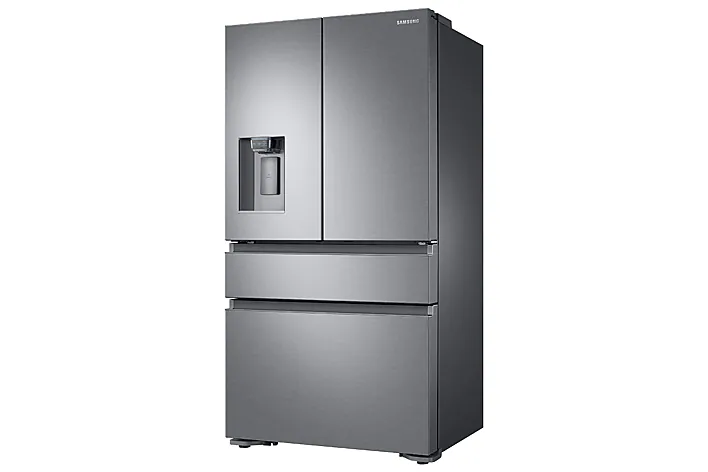
First Things First: The Simple Checks
Before we roll up our sleeves and dive into the guts of your machine, let’s cover the basics. You’d be surprised how often the solution is staring you right in the face. It’s like trying to fix a computer and forgetting to check if it’s plugged in.
Is It Plugged In and Getting Power?
I know, I know, it sounds almost insulting. But you have to ask! Check that the plug is firmly in the wall socket. Look for a tripped circuit breaker or a blown fuse in your home’s electrical panel. To be absolutely sure the outlet is working, plug in a small lamp or your phone charger to test it.
What Does the Thermostat Say?
Sometimes, the solution is as simple as a dial that got bumped. The thermostat inside your refrigerator controls the temperature. It might have been turned down accidentally by a rogue milk carton or a curious child. For most refrigerators, the ideal temperature is between 37°F and 40°F (or 3°C to 4°C). Make sure yours is set correctly.
Are the Vents Blocked?
Your refrigerator circulates cold air through vents to keep everything evenly chilled. If you’ve just come back from a big grocery run and stuffed the fridge to the brim, you might have blocked these crucial air passages. Think of it like trying to heat a house with all the air vents covered. Check inside both the freezer and refrigerator compartments for any obstructions and rearrange items to allow for proper airflow.
Expert Tip: A good rule of thumb is to keep your refrigerator about three-quarters full. An overly empty fridge struggles to maintain its temperature, while a completely packed one prevents air from circulating.
A Deeper Dive: The Refrigerator Not Cooling Detective Work
If you’ve checked the basics and your fridge is still acting like a glorified pantry, it’s time to put on our detective hats. We’re going to investigate the key components that make your refrigerator work its magic. For these steps, you’ll likely need to unplug your refrigerator for safety.
1. The Condenser Coils: Your Refrigerator’s Lungs
Bảng trống.The condenser coils are responsible for releasing the heat that’s been removed from inside your fridge. Over time, they can get caked in dust, pet hair, and grime, which insulates them and prevents them from doing their job efficiently.
- Where to find them: On most modern refrigerators, they are located on the back or underneath the unit.
- How to clean them: First, unplug the refrigerator. Use a long, skinny brush (often called a refrigerator coil brush) and a vacuum cleaner to gently remove all the dust and debris. You should do this at least twice a year. This single step can dramatically improve your fridge’s performance.
2. The Condenser Fan: The Cooling Assistant
Located near the compressor and condenser coils, this fan’s job is to draw air over the coils to help dissipate heat. If this fan isn’t working, the coils can overheat, and your refrigerator not cooling issue will persist.
- How to check it: With the fridge unplugged, check the fan for any obstructions that might be stopping the blades from spinning. Turn it by hand. If it doesn’t spin freely, the motor may be faulty and need replacement.
3. The Evaporator Fan: The Air Mover
This fan is inside the freezer compartment and is responsible for circulating the cold air from the freezer into the fresh food compartment. If you hear the compressor running but don’t feel any air blowing from the vents inside, the evaporator fan could be the problem.
- A Telltale Sign: A common symptom of a faulty evaporator fan is a freezer that’s cold but a refrigerator compartment that’s warm. The cold air is being produced, but it’s not being moved to where it needs to go.
4. The Defrost System: The Ice Breaker
Your refrigerator has an automatic defrost system to prevent excessive frost from building up on the evaporator coils. If this system fails, the coils can become completely encased in ice, which blocks airflow and stops the cooling process. This system has three main parts:
- Defrost Timer: This is like a clock that switches the fridge between cooling and defrosting cycles.
- Defrost Heater: This element melts the frost off the coils.
- Defrost Thermostat: This senses the temperature of the coils and turns the heater off when the ice has melted.
A failure in any of these components can lead to a massive frost buildup and a refrigerator not cooling down. Fixing the defrost system is typically a job for a professional, but identifying the problem is a huge first step.
Why is My Freezer Cold but My Refrigerator is Warm?
This is one of the most common questions we get, and it’s a real head-scratcher for many homeowners. When your freezer is working fine but the fresh food section is at room temperature, it almost always points to an airflow problem between the two compartments. The cold air in your appliance is generated in the freezer. That cold air is then circulated into the refrigerator section by the evaporator fan through a series of vents. If this process is interrupted, the freezer stays cold, but the fridge gets warm. The most likely culprits are a faulty evaporator fan motor, excessive frost buildup on the evaporator coils blocking the vents, or a failed defrost system.
A Step-by-Step Guide to Choosing a New Refrigerator
Sometimes, a refrigerator not cooling is a sign that your old unit is on its last legs. If it’s over 10 years old and requires a major repair, investing that money in a new, energy-efficient model is often the smarter financial move. Here’s how to choose the right one.
- Measure Your Space: This is the most critical step. Measure the height, width, and depth of the space where the fridge will go. Don’t forget to account for ventilation space (usually an inch on the back and sides) and clearance for the doors to open fully.
- Choose a Style:
- Top-Freezer: The classic, budget-friendly option.
- Bottom-Freezer: Puts fresh food at eye level for easier access.
- French Door: Two doors for the fridge and a bottom freezer drawer. Great for wide items and tight spaces.
- Side-by-Side: Offers easy access to both fresh and frozen items, but compartments can be narrow.
- Consider Capacity: A general guideline is 4-6 cubic feet per adult in your household. A family of four would likely be comfortable with a refrigerator around 20-25 cubic feet.
- Look for Key Features:
- Energy Star Certification: This will save you money on your electricity bills over the life of the appliance.
- Adjustable Shelving: Provides flexibility for storing tall items.
- Ice and Water Dispenser: A convenient feature, but be aware it can take up freezer space and may require plumbing.
- Smart Technology: Some modern fridges can connect to Wi-Fi, allowing you to control temperatures from your phone or even see what’s inside while you’re at the store.
As our go-to appliance technician, David Chen, often says, “People focus on fancy features, but the most important repair you can avoid is the one you prevent with good maintenance. Clean your coils, check your door seals, and don’t block the vents. A little care goes a long way.”
When Should You Call a Professional?
While many issues causing a refrigerator not cooling can be fixed with a little DIY spirit, some problems are best left to the pros. If you suspect an issue with the compressor (the heart of the fridge), the sealed refrigerant system, or complex electronics, it’s time to call for help. Tampering with these components without proper training can be dangerous and cause even more damage.
Frequently Asked Questions (FAQ)
Q: How long does it take for a refrigerator to get cold after I fix it?A: It can take anywhere from 4 to 24 hours for a refrigerator to reach the proper temperature after being plugged in or repaired, depending on the model, its size, and how warm it was to begin with.Q: Is it worth repairing a 10-year-old refrigerator?A: It depends on the cost of the repair. A general rule is that if the repair cost is more than 50% of the price of a new, comparable refrigerator, it’s usually more economical to replace it. An older fridge is also less energy-efficient.Q: Can a simple power surge cause my refrigerator to stop cooling?A: Yes, a power surge can damage the electronic control board, which acts as the refrigerator’s brain. If you’ve had a recent storm or power outage and your fridge isn’t cooling, this could be the cause.Q: Why is there water leaking under my refrigerator?A: This is most often caused by a clogged or frozen defrost drain. The drain tube, which carries water from the defrost cycle to a pan underneath, gets blocked, causing water to back up and leak.Q: How can I make my refrigerator more energy-efficient?A: Keep the coils clean, ensure the door seals are tight (the dollar bill test works well here), set the temperature appropriately, and try to keep it relatively full to help maintain the cold air.
Final Thoughts
Facing a refrigerator not cooling issue can be stressful, but it’s often a solvable problem. By working through these simple checks and troubleshooting steps, you can diagnose the issue and, in many cases, fix it yourself. Remember to start with the basics, prioritize safety by unplugging the unit before you inspect its components, and don’t hesitate to call a professional for major repairs. A little knowledge empowers you to take control, save your food, and potentially save a lot of money.
Frequently Asked Questions
How long does it take for a refrigerator to get cold after a repair?
After being plugged in or repaired, a refrigerator can take 4 to 24 hours to reach its proper operating temperature. The exact time depends on the model, its size, and the initial internal temperature before the fix.
Is it economical to repair a refrigerator that is 10 years old?
Generally, if the repair cost exceeds 50% of the price of a new, comparable refrigerator, it is more economical to replace the unit. Older refrigerators are also typically less energy-efficient than newer models, leading to higher electricity bills.
Can a power surge cause a refrigerator to stop cooling?
Yes, a power surge can damage the electronic control board, which is essential for the refrigerator's operation. If your fridge stops cooling after a recent storm or power outage, a damaged control board could be the underlying cause.
What causes water to leak from underneath my refrigerator?
Water leaking from under a refrigerator is most frequently caused by a clogged or frozen defrost drain. This drain tube carries water from the defrost cycle to an evaporation pan, and a blockage causes water to back up and leak onto the floor.
What are the best ways to improve refrigerator energy efficiency?
To improve energy efficiency, regularly clean the condenser coils, ensure door seals are tight, set the temperature between 37u00b0F and 40u00b0F, and keep the refrigerator relatively full to help maintain cold air.
Troubleshoot a Refrigerator Not Cooling
Follow these steps to diagnose and potentially fix a refrigerator that is not cooling properly, starting with simple checks before moving to more complex components.
Ensure the refrigerator is firmly plugged into a working outlet and check your home's circuit breaker. Verify the internal thermostat is set between 37u00b0F and 40u00b0F (3u00b0C to 4u00b0C), as it may have been accidentally adjusted.
Examine both the freezer and refrigerator compartments for blocked air vents. Rearrange food items to ensure proper airflow, as obstructions prevent cold air circulation and can lead to uneven cooling.
Unplug the refrigerator for safety. Locate the condenser coils (usually at the back or underneath) and use a long brush and vacuum to remove dust, pet hair, and grime. This should be done at least twice a year to maintain efficiency.
With the fridge unplugged, manually spin the condenser fan blades to check for obstructions or a faulty motor. If the freezer is cold but the fridge is warm, the evaporator fan inside the freezer compartment may be the issue, as it circulates cold air.
Get our weekly buyer guide
Practical specs, not advice. Unsubscribe anytime.
Fantastic resource! I thought my fridge was a goner, but it was just the evaporator fan motor. The explanation of how to diagnose that specific problem was really clear and helped me pinpoint it. Ordered the part online and replaced it myself. Feeling pretty proud of saving that repair bill!
My fridge suddenly stopped cooling last week and I was dreading calling a repairman. This guide was a lifesaver! The tip about checking the condenser coils was spot on. They were completely caked with dust. A quick vacuum and my fridge is back to being ice cold. Saved me a ton of money and hassle!
I tried all the simple checks, including making sure it was plugged in and checking the temperature settings, but my refrigerator is still not cooling. It seems like my problem might be more complex than what was covered in the initial sections. I was hoping for a quick fix, but it looks like I’ll need to dig deeper or call a professional after all.
I appreciated the straightforward advice here. My issue turned out to be the door seal, which I hadn’t even considered. It was a bit of a pain to replace, but following the steps made it manageable. It’s cooling much better now, though I wish there was a specific brand recommendation for replacement seals.