Let’s be honest, the refrigerator is the unsung hero of the modern kitchen. It stands there, humming quietly, keeping our food fresh and our drinks cold, day in and day out. We barely notice it… until it stops. That sudden silence, the puddle on the floor, or the lukewarm milk is enough to send anyone into a mild panic. The first question that pops into your head is likely, “Can I fix this myself?” quickly followed by the more critical one: When To Call A Refrigerator Repair Service. Knowing the difference between a simple fix and a serious problem can save you time, money, and a whole lot of spoiled groceries.
This guide is your go-to resource for diagnosing those troubling signs. We’ll walk you through the clear red flags that demand a professional’s touch, some simple troubleshooting you can do yourself, and how to make that crucial “repair or replace” decision.
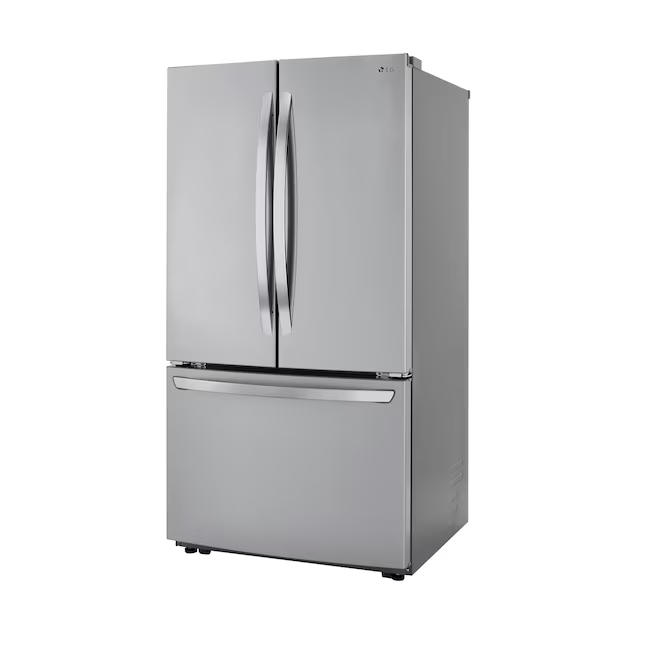
The Big Red Flags: Don’t Ignore These Warning Signs
While a burnt-out lightbulb is an easy DIY swap, some symptoms point to deeper issues within your fridge’s complex system. If you spot any of these, it’s a clear signal that it’s time to pick up the phone.
Why Is My Refrigerator Not Cooling?
This is the cardinal sin of refrigerators. If your fridge isn’t cold, its one job is going undone. Before panicking, check if the thermostat was accidentally turned down or if the door was left ajar. If those aren’t the culprits, you’re likely dealing with a more significant issue.
A refrigerator that’s running but not cooling could have a problem with its compressor, a faulty evaporator fan, or a refrigerant leak. These are not beginner-friendly repairs. Tampering with the sealed cooling system is dangerous and often requires specialized tools. This is the number one reason when to call a refrigerator repair service is a question you need to answer quickly.
What Are These Loud and Unusual Noises?
A refrigerator is never completely silent. You’ll hear the gentle hum of the compressor, the click of the thermostat, and the whir of the fan. But when those familiar sounds are replaced by something new and alarming, pay attention.
- Loud Buzzing or Humming: This could indicate a problem with the compressor. While some humming is normal, a loud, persistent buzz is a cry for help.
- Clicking: If you hear a repeated clicking sound from the back, it might be the compressor’s start relay failing. This is a relatively common issue that a technician can diagnose and fix.
- Squealing or Chirping: These high-pitched sounds often point to a failing evaporator fan or condenser fan motor.
- Banging or Knocking: This is a serious red flag that could mean the compressor is on its last legs or an internal component has come loose.
As our go-to appliance expert, David Chen, a senior appliance engineer with over 20 years of experience, puts it: “Modern refrigerators are incredibly efficient, but they’re also complex. A strange noise isn’t just an annoyance; it’s the machine’s way of telling you which specific part is under stress. Ignoring it is like ignoring the ‘check engine’ light on your car.”
Why Is There a Puddle Under the Fridge?
A little condensation is one thing, but a puddle of water on your kitchen floor is a clear sign something is wrong. The most common causes are a clogged defrost drain or a leaking water supply line for the ice maker or water dispenser. While you might be able to clear a simple clog yourself, if you can’t easily identify the source or if the leak seems to be coming from the unit itself, it’s best to call a professional to prevent water damage to your floor and cabinets.
The Freezer is a Giant Block of Ice
Is your freezer looking more like the Arctic than an appliance? Excessive frost buildup, especially to the point where you can’t close the door properly, is a sign of trouble. This is often caused by a faulty defrost system, which includes a defrost heater, timer, and thermostat. When this system fails, the evaporator coils frost over completely, blocking airflow and preventing the refrigerator from cooling effectively. This is a complex repair that requires a technician.
Bảng trống.Simple Troubleshooting You Can Do First
Before you make the call, there are a few simple checks you can perform. Sometimes, the solution is easier than you think!
- Check the Power: It sounds obvious, but make sure the fridge is plugged in securely and that the circuit breaker hasn’t tripped.
- Inspect the Thermostat: Ensure the temperature settings haven’t been accidentally changed. The ideal temperature for the refrigerator is around 37-40°F (3-4°C) and the freezer should be at 0°F (-18°C).
- Clean the Condenser Coils: These coils, usually located at the back or bottom of the fridge, are responsible for releasing heat. If they’re caked in dust and pet hair, the fridge has to work harder to stay cool. Unplug the unit and give them a good vacuuming. Sometimes, this is all it takes to improve performance.
- Test the Door Seals: Place a dollar bill in the door, close it, and try to pull the bill out. If it slides out easily, your door gaskets are worn and need replacing. This is a job many homeowners can do themselves, but if you’re not comfortable, a technician can handle it.
The Big Question: Is It Better to Repair or Replace?
So, you’ve determined you need a professional. The next question is whether the repair is worth the cost. This is a common dilemma, but you can make an informed decision by considering a few factors.
The 50% Rule
A widely accepted guideline in the appliance world is the “50% rule.” If the cost of the repair is more than 50% of the price of a new, comparable refrigerator, it’s generally more cost-effective to replace it. A new model will come with a full warranty and likely be more energy-efficient.
Age of the Appliance
The average lifespan of a refrigerator is about 10-15 years.
- Under 5 years old: Definitely repair. The unit is still new and likely has plenty of life left.
- 5-10 years old: This is the gray area. A minor, inexpensive repair is probably worth it. A major, costly repair (like a compressor replacement) might push you toward replacement.
- Over 10 years old: Seriously consider replacing it. Even if a repair fixes the current problem, other components are likely nearing the end of their lifespan. Furthermore, a new Energy Star rated model could save you a significant amount on your electricity bill over time.
Energy Efficiency
Older refrigerators are energy hogs compared to today’s models. Upgrading to a modern, energy-efficient fridge can lower your utility bills, and the savings can help offset the cost of the new appliance over several years. Check out [our guide to understanding refrigerator energy labels] for more information.
Frequently Asked Questions (FAQ)
Q: How much does a typical refrigerator repair cost?
A: The cost can vary widely depending on the problem and the model, but you can expect to pay anywhere from $150 for a minor fix like a thermostat replacement to over $500 for a major repair like a compressor or sealed system issue.
Q: Why is my refrigerator running constantly?
A: This is often a sign of inefficiency. It could be caused by dirty condenser coils, faulty door seals that are letting cold air escape, or a failing component that’s forcing the compressor to work overtime.
Q: Is a 10-year-old refrigerator worth repairing?
A: It depends on the cost of the repair. If it’s a simple, low-cost fix (under $200), it might be worth it. For any major, expensive repairs, your money is likely better invested in a new, more energy-efficient model.
Q: Can I fix a refrigerant leak myself?
A: Absolutely not. Refrigerant is a hazardous material that requires special handling and certification. Attempting to repair a leak yourself is dangerous and illegal in many places. This is a job strictly for a licensed professional.
Q: The ice maker in my fridge stopped working. Do I need a technician?
A: Maybe not! First, check if the water supply line is connected and not kinked. Ensure the metal feeler arm is in the down (on) position. If those simple checks don’t work, it could be a failed water inlet valve or motor, which is a good time to call for service.
Making the Right Call
Your refrigerator is too important—and too expensive—to leave to guesswork. While simple maintenance can go a long way, knowing when to call a refrigerator repair service is key to protecting your investment and ensuring the heart of your kitchen keeps running smoothly. By recognizing the serious warning signs and weighing your options logically, you can make a smart, confident decision that’s best for your home and your budget.