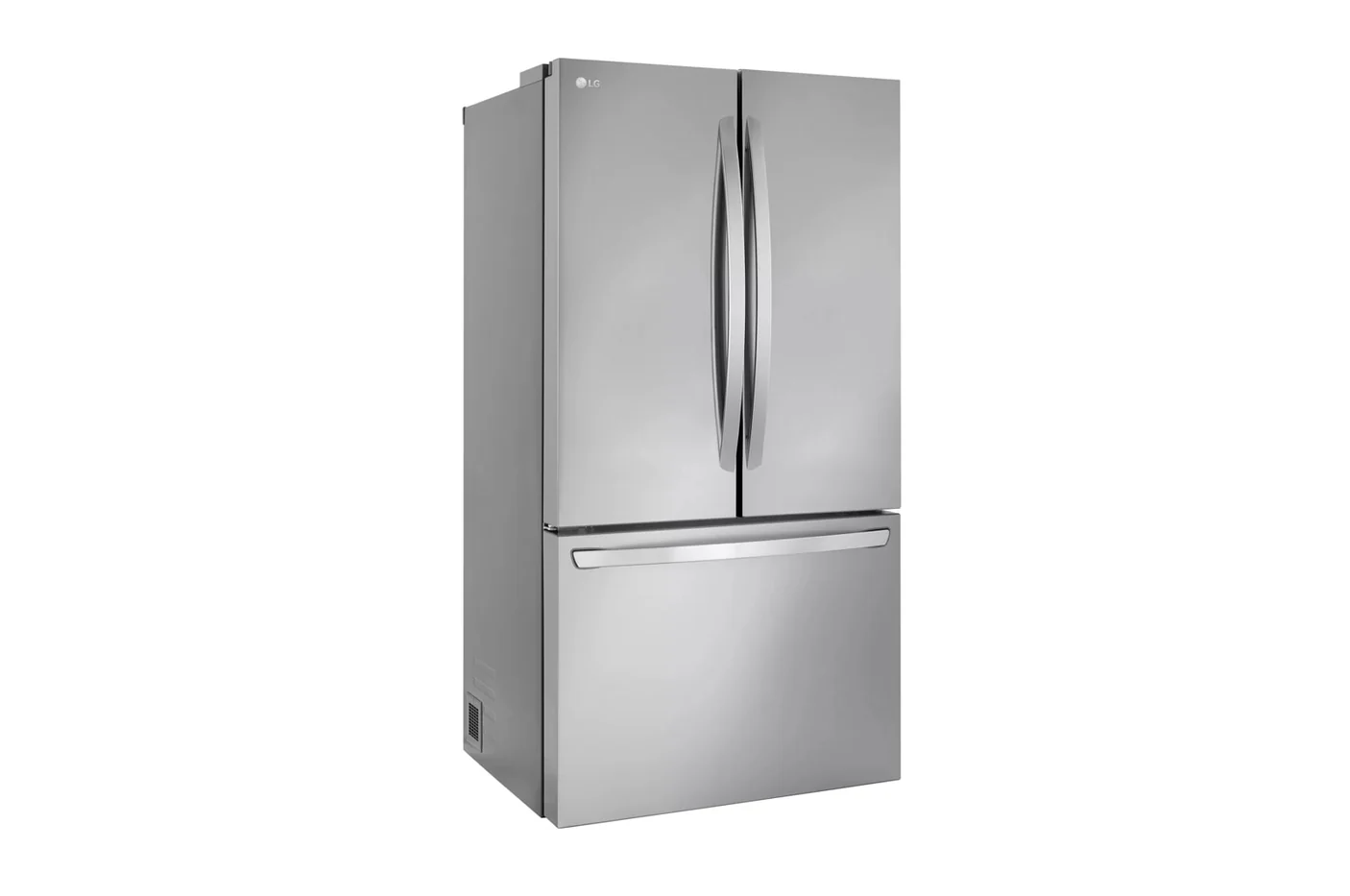
A door-in-door refrigerator features a small, separate compartment built into one of the main refrigerator doors, allowing access to frequently used items without opening the entire refrigerator. This design, primarily found on French Door and Side-by-Side models, significantly reduces cold air loss and improves energy efficiency by up to 47% compared to traditional models. It’s a clever solution designed to change how you interact with your kitchen’s most essential appliance.
What Exactly is a Door-in-Door Refrigerator?
In the simplest terms, a Door-in-Door refrigerator is a model that features a small, separate compartment built into one of the main refrigerator doors. This compartment has its own door, allowing you to access frequently used items—like drinks, condiments, or snacks—without opening the entire refrigerator.
Think of it like a secret passageway for your favorite foods. Instead of swinging open the large, heavy main door and exposing all your groceries to room-temperature air, you just open a small, lightweight outer panel. This design is primarily found on French Door and Side-by-Side models and is engineered to solve one of the biggest energy-wasting problems in the kitchen: the open-door dilemma.
The core idea is built around:
- A Compartment Within a Door: A section of the main refrigerator door is hollowed out and fitted with shelves or bins.
- An Outer Door Panel: A sleek outer door covers this compartment. It opens with a separate, often discreetly placed, button or latch.
- Quick Access: This setup is designed to hold the items you and your family grab most often throughout the day.
The Evolution of Convenience: Where Did This Idea Come From?
To truly appreciate the Door-in-Door concept, it helps to look back. Refrigeration technology has always been a story of evolution. We went from simple iceboxes to single-door refrigerators, then to models with separate freezer compartments (Top Freezer and Bottom Freezer). Then came the era of Side-by-Side and French Door refrigerators, which focused on optimizing the layout for modern kitchens and wider items.
Through all this, engineers noticed a consistent problem: data from appliance manufacturers like LG and Samsung showed that the refrigerator door is one of the most frequently opened doors in any home. Every time it opens, cold air sinks and escapes, while warmer, humid air rushes in. The compressor then has to kick on to bring the temperature back down, consuming significant energy. The Door-in-Door design was the logical next step—a direct response to real-world user behavior, aimed at minimizing this cold air loss.
The Pros and Cons: Is a Door-in-Door Fridge Right for You?
Like any feature, the Door-in-Door design has its champions and its critics. It’s not a one-size-fits-all solution. Let’s break down the real-world advantages and potential drawbacks to see if it fits your lifestyle.
The Upside: Why You’ll Love It
Bảng trống.- Significant Energy Savings: This is the headline feature. By reducing the number of times you open the main door, you can dramatically decrease cold air loss—by up to 47% according to some manufacturers. Over the life of the appliance, this can translate into noticeable savings on your electricity bill.
- Superior Organization: It forces you to be mindful about what you use most. Storing beverages, yogurt, butter, and condiments in the outer door makes them incredibly easy to find. No more hunting behind last week’s leftovers for the ketchup.
- Unmatched Convenience: For families with kids, this is a major upgrade. Children can easily grab their juice boxes, string cheese, or fruit cups without standing with the main door agape. It’s a small change that streamlines the daily kitchen chaos.
- Sleek, Modern Aesthetics: Let’s face it, these refrigerators look impressive. Many models incorporate the feature seamlessly, and some, like LG’s InstaView Door-in-Door, even let you knock twice on a glass panel to see what’s inside without opening anything at all.
The Downsides: Potential Deal-Breakers
- Higher Initial Cost: Innovation comes at a price. Refrigerators with a Door-in-Door feature typically cost more than their standard counterparts with similar capacity and finishes.
- Reduced In-Door Storage in the Main Compartment: The space for the external compartment has to come from somewhere. This often means you lose some of the deep, gallon-sized bin storage on the inside of that main door.
- Added Complexity: More moving parts mean one more thing that could potentially need maintenance down the line. The latch mechanism and extra seals are additional components to consider.
- Limited Size for Stored Items: The Door-in-Door compartment is generally shallower than standard door bins, so it’s not ideal for bulky items. It’s perfect for a can of soda, but not a 2-liter bottle standing upright in some designs.
“The real magic of the Door-in-Door system isn’t just the extra door; it’s the thermal barrier we create between the quick-access items and the main refrigerated section. We spent countless hours optimizing airflow and seals to ensure that opening the outer door has a minimal impact on the core temperature, preserving food freshness for longer.” – Michael Carter, Senior Appliance Design Engineer
How Does It Compare to Other Refrigerator Styles?
It’s important to clarify that “Door-in-Door” is a feature, not a refrigerator style. You’ll find this feature on the most popular styles, but how does its inclusion change the dynamic?
- Standard French Door vs. French Door with Door-in-Door: A standard French Door model gives you wide, symmetrical door bins. Adding the Door-in-Door feature usually dedicates the entire right-side door to this function, changing the interior layout. You can learn more about this style in
[our complete guide to French Door refrigerators]. - Standard Side-by-Side vs. Side-by-Side with Door-in-Door: In a Side-by-Side, the Door-in-Door is built into the refrigerator side (usually the right). This is a popular combination as it makes grabbing drinks and daily essentials extremely efficient without having to open the tall, narrow main door.
What to Look For When Buying a Door-in-Door Refrigerator
If you’ve weighed the pros and cons and decided this feature is for you, here’s a checklist to guide your purchase. Answering the question “what does door in door refrigerator mean for my kitchen?” involves looking beyond the feature itself.
- Measure Your Space, Twice: This is non-negotiable for any fridge purchase. Measure the height, width, and depth of the space. to account for hinge clearance and at least an inch of space at the back for ventilation.
- Evaluate the Capacity: Capacity is measured in cubic feet. A standard-depth model will offer more space than a counter-depth one. As a general rule:
- 1-2 people: 14-20 cu. ft.
- 3-4 people: 20-25 cu. ft.
- 5+ people: 25+ cu. ft.
Consider how the Door-in-Door feature impacts the internal layout and whether it suits your grocery habits.
- Check the Energy Star Rating: While the Door-in-Door feature itself is designed for efficiency, you should still look for the Energy Star certification. This ensures the entire appliance—from the compressor to the insulation—meets strict energy-saving standards set by the EPA. Find out more about
[how to read an Energy Star label]. - Explore Additional Features: Manufacturers often bundle the Door-in-Door with other premium features. Do you want an external ice and water dispenser? What about smart features, like Wi-Fi connectivity that lets you adjust temperatures from your phone? Or the “knock-to-see” glass panel? Decide which bells and whistles are worth the extra cost.
- Set Your Budget: Door-in-Door refrigerators are a premium product. Prices can range widely based on brand, size, finish (stainless steel, black stainless), and extra features. Be realistic about what you want to spend.
Frequently Asked Questions (FAQ)
Q: Is LG InstaView the same thing as Door-in-Door?
A: Not exactly. InstaView is a specific LG technology that is part of their Door-in-Door system. It’s a tinted glass panel on the outer door that becomes transparent when you knock on it twice, allowing you to see inside without opening the door at all. Other brands have similar “see-through” features, but Door-in-Door is the general term for the compartment-in-a-door design.
Q: Do Door-in-Door refrigerators really save a noticeable amount of energy?
A: Yes, they can. While the exact savings depend heavily on your family’s usage habits, the principle is sound. By preventing the loss of the main compartment’s large volume of cold air, the compressor runs less often. For a busy household that opens the fridge constantly, the savings can be quite significant over a year.
Q: Are they harder to clean?
A: They have a few more nooks and crannies, but it’s not a major hurdle. The outer door compartment has its own shelves and bins that need to be wiped down, and you’ll want to occasionally clean the seals around the extra door. It’s a very minor increase in cleaning effort for the convenience it offers.
Q: What are the most reliable brands for Door-in-Door refrigerators?
A: LG and Samsung are the pioneers and leaders in this space, offering the widest variety of models and features. However, other major brands like GE and Frigidaire have also introduced their own excellent versions of the technology.
Q: Can you still fit large items like a gallon of milk in the door?
A: It depends on the model. Many designs specifically include one or two bins within the Door-in-Door section that are tall enough for a gallon of milk or large juice cartons. However, the overall capacity for tall items on that door might be less than on a traditional refrigerator door. Always check the interior layout in person if possible.
The Final Verdict
At its core, a door-in-door refrigerator means convenience, efficiency, and a smarter way to access your food. It represents a thoughtful design evolution that addresses how modern families actually live and use their kitchens. While it comes with a higher price tag and some minor trade-offs in storage layout, the benefits of energy savings and quick access are compelling.
Armed with this knowledge, you can now look at that shiny showroom model and understand not just what it is, but why it is. You can confidently decide if this innovative feature is the perfect ingredient for your dream kitchen.
Frequently Asked Questions
What is the primary benefit of a door-in-door refrigerator?
The primary benefit of a door-in-door refrigerator is significant energy savings. By reducing the number of times the main refrigerator door is opened, cold air loss can decrease by up to 47%, leading to lower electricity bills over the appliance's lifespan.
Is LG InstaView the same as a door-in-door refrigerator?
No, LG InstaView is a specific technology that is part of LG's door-in-door system. It features a tinted glass panel that becomes transparent when tapped twice, allowing you to see inside without opening the door. Door-in-door is the general term for the compartment-within-a-door design.
Do door-in-door refrigerators cost more than standard models?
Yes, refrigerators with a door-in-door feature typically have a higher initial cost compared to standard models with similar capacity and finishes. This premium reflects the added innovation, convenience, and potential energy savings the feature provides.
Can large items like a gallon of milk fit in the door-in-door compartment?
The ability to fit large items like a gallon of milk depends on the specific model. Many door-in-door designs include dedicated bins tall enough for such items, but the overall capacity for bulky items in that section might be less than in a traditional refrigerator door.
What are the most reliable brands for door-in-door refrigerators?
LG and Samsung are recognized as pioneers and leaders in the door-in-door refrigerator market, offering a wide range of models and features. Other major brands like GE and Frigidaire also produce reliable versions of this technology.
How to Choose a Door-in-Door Refrigerator
Selecting the right door-in-door refrigerator involves evaluating your space, capacity needs, energy efficiency, and desired additional features to ensure it fits your lifestyle and budget.
Accurately measure the height, width, and depth of the designated refrigerator space. Remember to account for hinge clearance and at least one inch of space at the back for proper ventilation to ensure the appliance fits correctly.
Evaluate the cubic feet capacity needed based on your household size: 1-2 people typically need 14-20 cu. ft., 3-4 people 20-25 cu. ft., and 5+ people 25+ cu. ft. Consider how the door-in-door layout impacts internal storage for your grocery habits.
Always look for the Energy Star certification to ensure the entire appliance meets strict energy-saving standards set by the EPA. While the door-in-door feature itself promotes efficiency, this rating guarantees overall energy performance.
Decide which extra features are important to you, such as an external ice and water dispenser, smart home connectivity, or a 'knock-to-see' glass panel. These premium additions can enhance convenience but also impact the overall cost.
Door-in-door refrigerators are a premium product, with prices varying significantly by brand, size, finish, and features. Establish a realistic budget to guide your choices and avoid overspending on unnecessary functionalities.
Get our weekly buyer guide
Practical specs, not advice. Unsubscribe anytime.
This design truly changes how I interact with my kitchen appliance. I love being able to grab my frequently used items like butter and sauces without exposing everything to room temperature. It’s such a smart solution for keeping things organized and cold. My electric bill has even seen a slight dip, which is a bonus!
We recently upgraded to a French Door model with the door-in-door design, and it’s been great for energy efficiency. I appreciate not having to open the whole fridge just to grab my coffee creamer or a condiment. The only minor complaint is that the inner shelves in that compartment are a bit narrow for some of my larger bottles, but it’s a small trade-off for the convenience.
I was skeptical about the ‘secret passageway’ idea, but this door-in-door feature is a game-changer! My kids are constantly grabbing drinks and snacks, and I’ve definitely noticed a difference in how often the main fridge door stays closed. It’s so convenient for quick access to milk and juice without letting all the cold air out. Highly recommend for busy families.
I got a side-by-side with this feature, hoping to save on energy. While it’s nice for grabbing a quick soda, I haven’t seen the ‘up to 47% energy efficiency’ savings mentioned. Maybe my usage isn’t high enough, or perhaps my old fridge wasn’t as inefficient as I thought. It’s a neat concept, but the practical benefit for me hasn’t been as dramatic as expected.