Let’s be honest, buying a new refrigerator can feel a bit overwhelming. You walk into a store or browse online, and you’re hit with a wall of stainless steel, a blizzard of technical terms, and a price range that can swing from “reasonable” to “down payment on a car.” The search for the Best Value Refrigerator isn’t just about finding the cheapest option; it’s about finding the right appliance that will serve as the reliable, efficient heart of your kitchen for years to come. It’s an investment in your home and your daily life, and my job is to help you make the smartest one possible.
What Does “Best Value” Really Mean for a Refrigerator?
When we talk about value, it’s a balancing act. The best value refrigerator is the sweet spot where price, features, energy efficiency, and long-term reliability meet. It’s the model that gives you the features you’ll actually use, doesn’t send your electricity bill through the roof, and won’t have you calling a repair person every other year. Think of it as a long-term partnership, not a one-time purchase.
A cheap, inefficient fridge might save you a couple of hundred dollars upfront, but it could cost you that much—and more—in wasted energy over its lifespan. On the flip side, a top-of-the-line smart fridge with a giant touchscreen might be overkill if you never use those features. Value is personal, and this guide will help you define what it means for you.
A Quick Spin Through Refrigerator History (and Why It Matters)
It’s easy to take modern refrigeration for granted, but our grandparents would be amazed. We’ve gone from insulated iceboxes—literally boxes filled with blocks of ice—to the sophisticated cooling machines of today. Early electric refrigerators in the 1920s were a revolution, but they were noisy, inefficient, and used refrigerants that weren’t exactly eco-friendly.
Fast forward to today, and the evolution is staggering. The core technology of removing heat is the same, but how it’s done has become incredibly smart. This history matters because it shows a constant drive towards two things: better food preservation and greater efficiency. Every new feature, from frost-free freezers to dual-evaporator systems, is built on that foundation.
Decoding Refrigerator Types: Which Style is for You?
The first major decision you’ll make is the refrigerator’s configuration. Each style has its own pros and cons, directly impacting its price and usability.
Top-Freezer Refrigerators
This is the classic design many of us grew up with. They are often the most affordable and energy-efficient option for their size.
- Pros: Generally the most budget-friendly, wide refrigerator section for large items like pizza boxes.
- Cons: You have to bend down to access the main refrigerator compartment, which you use most often. They can feel a bit dated in design.
Bottom-Freezer Refrigerators
These models flip the classic design, putting the more frequently accessed refrigerator section at eye level.
- Pros: Ergonomic design, easier access to fresh foods, often feature a pull-out drawer freezer that’s easy to organize.
- Cons: Can be slightly more expensive and less energy-efficient than top-freezer models.
Side-by-Side Refrigerators
A popular choice for those who want equal, easy access to both fresh and frozen foods. The vertical split offers a different kind of organization.
- Pros: Excellent for narrow kitchens as the doors have a smaller swing radius. Great for organizing, with plenty of door storage and shelving. Many models include in-door ice and water dispensers.
- Cons: The narrower compartments can make it difficult to store very wide items, like a party platter or a large turkey.
French Door Refrigerators
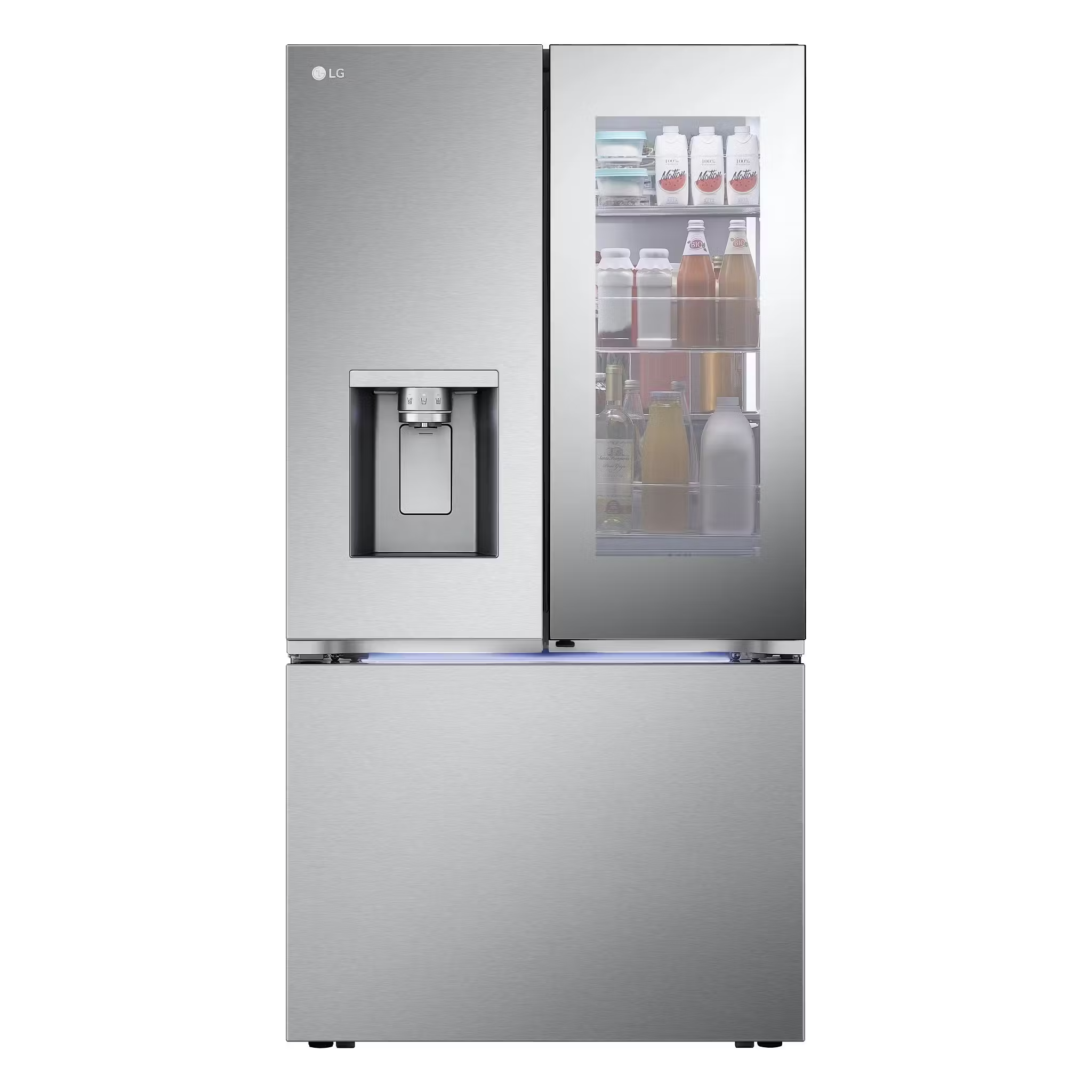
This is the premium, feature-rich style that dominates the market today. It combines the wide-open storage of a bottom-freezer model with the double doors of a side-by-side.
- Pros: Offers the “best of both worlds” with a spacious, full-width refrigerator compartment and a convenient bottom freezer drawer. Aesthetically pleasing and packed with modern features.
- Cons: Typically the most expensive style. The freezer drawer can sometimes become a jumble if not organized well.
Must-Have Features vs. Nice-to-Have Gadgets
Technology is where manufacturers try to stand out. Here’s how to separate the truly valuable innovations from the flashy gimmicks.
Core Value Features to Look For:
- Inverter Compressor: This is a big one. Traditional compressors are either on (full blast) or off. An inverter compressor is like a car’s cruise control; it adjusts its speed to maintain a consistent temperature. This makes it quieter, more energy-efficient, and better for food preservation.
- Good LED Lighting: Don’t underestimate this! Bright, well-placed LED lighting makes it easy to see everything, reducing the time the door is open and preventing food from getting lost and spoiling in the back.
- Adjustable Shelving and Gallon Door Bins: Flexibility is key. The ability to rearrange your fridge’s interior to fit tall items or large containers is a practical feature you’ll appreciate every day.
- An Energy Star Rating: This is non-negotiable for value. An Energy Star certified refrigerator is guaranteed to be more efficient than the minimum federal standard, saving you money on your utility bills for its entire life.
Nice-to-Have (But Not Essential) Features:
- External Ice and Water Dispenser: Incredibly convenient, but these models tend to cost more and can be a potential point of failure down the line.
- Smart Features: Wi-Fi connectivity, touch screens, and interior cameras are cool but ask yourself if you’ll really use them. Do you need your fridge to tell you when you’re out of milk? For some, it’s a game-changer; for others, it’s an expensive extra.
- Door-in-Door Access: This allows you to grab frequently used items like drinks or condiments without opening the entire refrigerator, which can save a small amount of energy.
“From an engineering perspective, the single biggest leap in refrigerator value over the last decade has been the widespread adoption of the inverter compressor. It’s the unsung hero that delivers real, measurable savings in energy consumption and significantly reduces wear and tear on the appliance, extending its lifespan.” – David Chen, Appliance Design Engineer
How to Choose the Best Value Refrigerator for Your Home
Ready to narrow it down? Follow these simple steps to find your perfect match.
- Measure, Measure, Measure! This is the most critical first step. Measure the height, width, and depth of the space where the fridge will go. Don’t forget to measure doorways and hallways to ensure you can get it into your kitchen. Pro Tip: Leave at least one inch of clearance on the back and sides for proper air circulation.
- Assess Your Family’s Needs. How many people are in your household? Do you cook fresh meals often or rely on frozen foods? A general guideline is about 4-6 cubic feet of space per adult. A family of four will likely be happy with a refrigerator around 20-25 cubic feet.
- Set a Realistic Budget. Decide on a price range you’re comfortable with. Remember to factor in long-term value. Spending a little more on a highly-rated, energy-efficient model from a reliable appliance brand can be a better financial decision than opting for the cheapest model available.
- Check the Energy Guide Label. Every refrigerator has a bright yellow Energy Guide label. It shows you the estimated yearly electricity cost. Use this to compare the long-term running costs between different models.
- Read Real-World Reviews. Once you’ve narrowed it down to a few models, see what actual owners are saying. Look for patterns in feedback regarding noise levels, reliability, and customer service.
Pro Tips for Maximizing Your Refrigerator’s Life and Efficiency
Getting a great value doesn’t stop at the checkout. How you use and maintain your fridge makes a huge difference.
- Keep the Coils Clean: The condenser coils (usually on the back or bottom) can get covered in dust and pet hair, forcing the compressor to work harder. Clean them with a vacuum brush once or twice a year.
- Check the Door Seals: A leaky seal lets cold air escape. Test yours by closing the door on a dollar bill. If it pulls out easily, the seal might need to be cleaned or replaced.
- Let Hot Food Cool Down: Don’t put steaming hot leftovers directly into the fridge. Let them cool on the counter first to reduce the workload on your compressor.
- Keep it Full (But Not Stuffed): A full refrigerator is more energy-efficient than an empty one because the cold items help maintain the temperature. However, don’t pack it so tightly that air can’t circulate.
Frequently Asked Questions (FAQ)
Q: How long should a good refrigerator last?
A: A well-maintained refrigerator should last anywhere from 10 to 15 years. Models with fewer complex features, like an ice dispenser, often have a longer lifespan.
Q: Is an extended warranty worth it for a refrigerator?
A: It depends on the cost of the warranty and the reliability of the brand. For high-end models with lots of electronics, it can provide peace of mind. However, many major issues will likely occur within the first year, which is covered by the manufacturer’s warranty.
Q: What is the most reliable refrigerator brand?
A: Reliability can vary by model, but brands like LG, Whirlpool, GE, and some Samsung models consistently receive high marks from consumer reports and repair technicians for their performance and durability.
Q: How much should I budget for the best value refrigerator?
A: The “value” sweet spot for a quality, feature-rich refrigerator (like a French door or side-by-side model) is often in the $1,500 to $2,500 range. Excellent top- and bottom-freezer models can be found for under $1,200.
Q: Can I put my refrigerator in a garage?
A: Only if it’s a “garage-ready” model. Standard refrigerators are designed to operate within a specific temperature range (usually above 50°F). Extreme cold or heat in a garage can cause them to malfunction or shut down completely.
Your Perfect Refrigerator Awaits
Choosing a new refrigerator is a big decision, but it doesn’t have to be a stressful one. By focusing on what truly matters—the right size and style for your lifestyle, essential features like an inverter compressor, and a solid Energy Star rating—you can confidently find a model that delivers outstanding performance without breaking the bank. The goal is to make a smart, informed choice that you’ll be happy with every time you open the door. Armed with this knowledge, you’re ready to find the best value refrigerator for your home.