To dispose of an old refrigerator properly, you have several options, including retailer haul-away programs, utility company bounty programs, municipal bulk trash pickup, certified recycling centers, or scrap metal dealers. The most convenient method is often a retailer haul-away when purchasing a new unit, while utility programs can pay you $25-$75 for a working appliance. Improper disposal, such as leaving it on the curb, is illegal due to hazardous refrigerants and can result in fines.
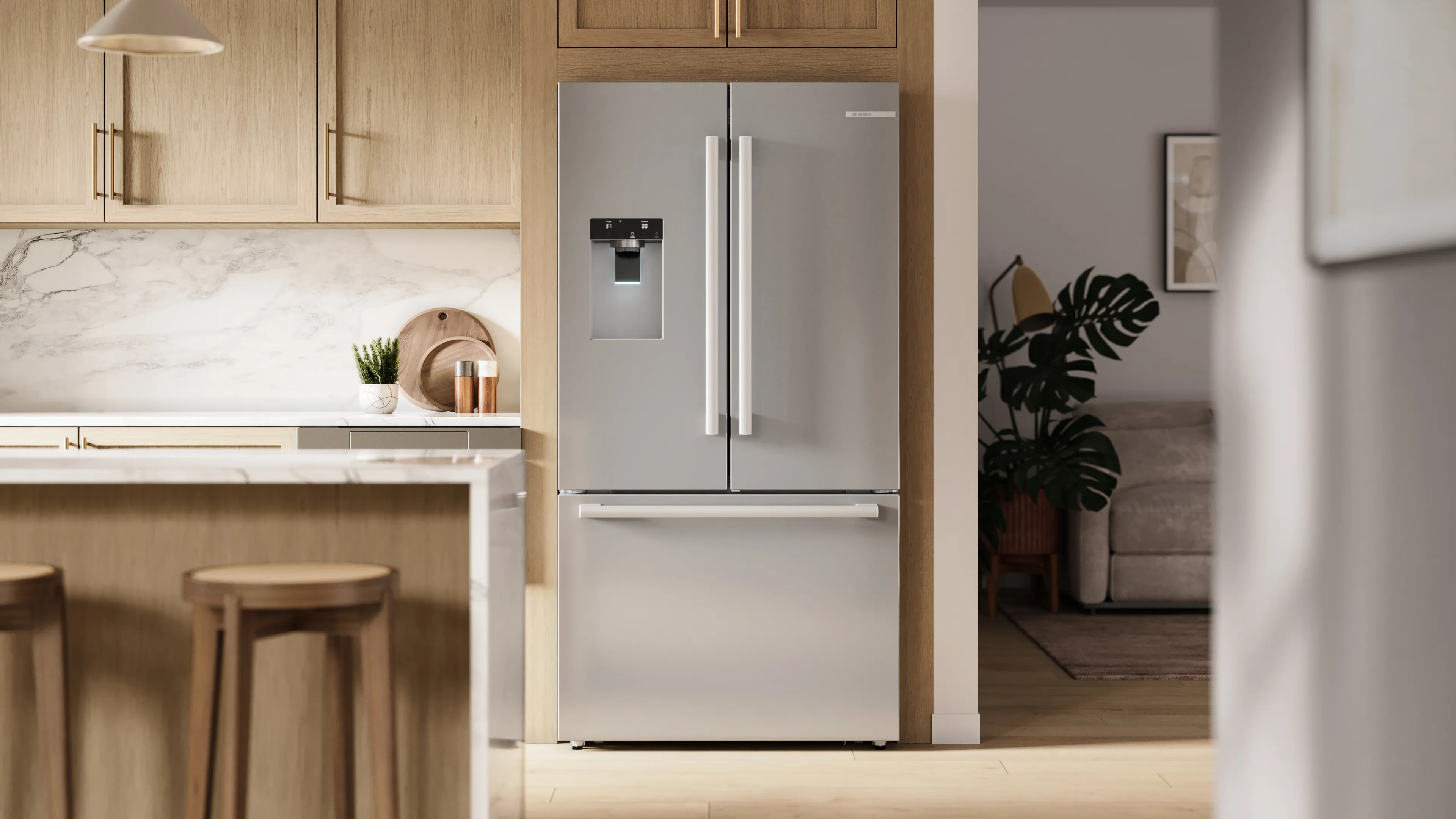
Why You Can’t Just Toss Your Old Fridge on the Curb
The temptation to simply discard an old refrigerator with regular trash is understandable, but it’s crucial to avoid this. Refrigerators contain complex components and materials that pose significant environmental and legal risks if not handled correctly. For shop curated refrigerator sales on this site.
The Environmental Nitty-Gritty
Older refrigerators, particularly those manufactured before 1995, contain refrigerants like chlorofluorocarbons (CFCs) or hydrochlorofluorocarbons (HCFCs), commonly known as Freon. These chemicals are potent ozone-depleting substances. Newer models utilize hydrofluorocarbons (HFCs), which, while less damaging to the ozone layer, are still powerful greenhouse gases.
As our go-to appliance technician, David Miller, always says, “Think of that refrigerant as the fridge’s blood. You wouldn’t want it spilling everywhere, and the same goes for these chemicals. They need to be professionally and safely drained by a certified technician before the unit is crushed.”
The insulating foam in the walls and doors of a refrigerator can also harbor these harmful chemicals. The unit also contains oil, mercury (found in some older switches and thermostats), and other materials that can contaminate soil and water if improperly disposed of in a landfill.
It’s Often Against the Law
Due to the presence of these hazardous materials, the U.S. Environmental Protection Agency (EPA) enforces strict regulations under the Clean Air Act regarding the disposal of appliances containing refrigerants. Most local municipalities have ordinances that align with these federal laws, meaning illegal dumping could lead to substantial fines.
Your Game Plan: Prepping Your Refrigerator for Disposal
Before your refrigerator is picked up for disposal, you need to complete a few simple preparation steps. These actions ensure safety and facilitate a smoother process for the disposal service.
- Unplug and Empty Completely: Ensure the unit is unplugged from the wall outlet. Remove all food items, shelves, drawers, and ice trays from the interior.
- Give It a Good Clean: Wipe down the interior surfaces with a solution of baking soda and water or a mild disinfectant. This step prevents the development of mold, mildew, and unpleasant odors while the appliance awaits pickup.
- Defrost the Freezer: If your model requires manual defrosting, allow all ice to melt and thoroughly dry the interior.
- Secure the Doors: This is a critical safety measure, especially if children are present. An old, empty refrigerator can pose a serious entrapment hazard. Use strong duct tape, a rope, or a strap to keep the doors securely shut. Some experts even recommend removing the doors entirely if you have the necessary tools.
- Do Not Try to Remove Refrigerant Yourself: It is imperative not to tamper with the refrigerant lines. This process, known as “recovering” the refrigerant, is dangerous and illegal for untrained individuals and must be performed by a certified technician using specialized equipment.
The Best Options for How to Dispose of an Old Refrigerator
Once your refrigerator is clean, empty, and secured, you have several viable options for its disposal.
Option 1: Retailer Haul-Away Programs
Bảng trống.This is often the most straightforward method. If you are purchasing a new refrigerator, inquire with your retailer about their haul-away service for your old appliance.
- How it works: The retailer will remove your old refrigerator when they deliver your new one.
- Cost: Companies like Home Depot or Best Buy frequently include this service for free with delivery, while others may charge a small fee, typically $25-$50.
- Pros: Highly convenient, as it addresses both delivery and disposal simultaneously.
- Cons: This option is only available when you are buying a new appliance.
Option 2: Utility Company Bounty Programs
Many local electric companies offer programs that will pay you to take your old, working refrigerator. These are often called “bounty programs” or “recycling programs.”
- How it works: Utilities run these programs because older refrigerators consume significant amounts of energy. Removing them from the grid helps save energy for the community. They will schedule a time to pick up the appliance from your home.
- Requirements: The refrigerator typically needs to be in working condition and meet a minimum size requirement (e.g., 10 cubic feet or larger).
- Pros: You receive payment (usually between $25 and $75), and the utility company handles all the heavy lifting for free.
- Cons: The refrigerator must be operational, and not all utility companies offer this service. A quick search for “[Your Utility Company Name] appliance recycling program” will provide relevant information.
Option 3: Your Local Municipality or Waste Management
Your city or county waste management service is another reliable option for proper refrigerator disposal.
- How it works: You will likely need to schedule a special “bulk trash pickup.” Contact them, provide your address, and they will inform you when to place the refrigerator at the curb.
- Cost: This varies considerably. Some cities offer free bulk pickup once or twice a year, while others impose a fee.
- Important: Always ask if a technician needs to remove the Freon before they will pick it up. Some municipalities handle this themselves, while others require you to obtain a “Freon-free” certification from a professional first.
Option 4: The Eco-Friendly Route: Certified Recycling Centers
For the most environmentally responsible disposal, seek out a recycler that participates in the EPA’s Responsible Appliance Disposal (RAD) Program.
- How it works: RAD partners exceed federal requirements by recovering not only the refrigerant but also the insulating foam gases. They also ensure that all metals, plastics, and glass components are properly recycled.
- How to find one: You can search the EPA’s website for a RAD partner near your location.
- Pros: This is the most environmentally friendly disposal option available.
- Cons: You may need to transport the refrigerator to the facility yourself, which can be challenging. Some centers may charge a small recycling fee.
Ready for an Upgrade?
Once your disposal plan is set, you can focus on selecting a replacement. Modern refrigerators offer enhanced efficiency and numerous features designed to simplify daily life.
Option 5: Scrap Metal Dealers
As a last resort, a local scrap metal dealer may accept an old refrigerator, primarily for its steel, copper, and aluminum components.
- How it works: You will need to transport the refrigerator to their yard.
- Important: Most scrap yards will not accept an appliance unless the refrigerant has been professionally removed and you can provide a certificate of proof. You will need to hire an HVAC or appliance repair technician for this service, which typically costs $50-$150.
- Pros: You might earn a small amount from the scrap metal.
- Cons: The effort and expense of refrigerant removal and transporting the bulky unit often outweigh the minimal payment received. This option is generally considered a last resort.
The Final Word on Fridge Disposal
Disposing of an old appliance doesn’t have to be complicated. The most important aspect is to ensure it’s done responsibly. By choosing one of the methods discussed—from a convenient retailer haul-away to a money-making utility program—you are not only clearing space in your home but also contributing to environmental protection. A little planning makes a significant difference. Now you know exactly how to dispose of an old refrigerator like a pro.
Frequently Asked Questions
How much does it cost to dispose of a refrigerator?
The cost to dispose of a refrigerator can range from free to over $150. Retailer haul-away services are often free with a new purchase, and utility bounty programs may even pay you $25-$75. City bulk pickups might cost $20-$50, while private junk removal services are typically $75-$150.
Can I get money for my old refrigerator?
Yes, you can potentially get money for your old refrigerator. The best method is through a utility company's bounty program, which often pays $25-$75 for a working unit. You might also sell a functional refrigerator on platforms like Facebook Marketplace or Craigslist. Scrap metal yards offer a small amount for the metal, but this often doesn't cover removal costs.
Is it illegal to just leave a refrigerator on the street?
In most places, it is illegal to leave a refrigerator on the street. This is considered illegal dumping due to the hazardous materials, such as refrigerants, contained within the appliance. Violators can face significant fines, so always check with your local waste management for proper disposal procedures.
How do I remove the Freon from my old refrigerator?
You should not attempt to remove Freon or any refrigerant from your old refrigerator yourself. This task requires specialized equipment and certification to safely capture the gas without releasing it into the atmosphere. You must hire a certified professional, such as an appliance repair service or an HVAC technician, for refrigerant recovery.
What parts of a refrigerator are actually recycled?
When processed correctly, over 90% of a refrigerator can be recycled. This includes the steel casing, plastic liners and shelves, glass shelves, copper found in wiring and the compressor motor, and aluminum components. Certified recycling centers ensure these materials are recovered and reused.
Prepare Your Refrigerator for Disposal
Follow these steps to safely prepare your old refrigerator before it is picked up for disposal, ensuring environmental compliance and safety.
First, unplug the refrigerator from its power source. Then, remove all food items, shelves, drawers, and ice trays from both the refrigerator and freezer compartments. This ensures the unit is ready for transport and prevents spoilage.
Wipe down the interior with a baking soda and water solution or a mild disinfectant to prevent mold and odors. If your freezer requires manual defrosting, allow all ice to melt and thoroughly dry the interior. This step is crucial for hygiene during storage and transport.
Securely fasten the refrigerator doors shut using strong duct tape, rope, or a strap. This is a critical safety measure to prevent accidental entrapment, especially for children. Alternatively, if you have the tools, you can remove the doors entirely.
Under no circumstances should you attempt to remove refrigerant (like Freon) from the appliance yourself. This process is dangerous, illegal, and must be performed by a certified technician with specialized equipment. Tampering with refrigerant lines can release harmful chemicals into the atmosphere.
Get our weekly buyer guide
Practical specs, not advice. Unsubscribe anytime.
We used the municipal bulk trash pickup for our old garage fridge, and it worked out pretty well. You just have to schedule it in advance and make sure it’s at the curb on the right day. It’s a good, free option if you don’t mind a little planning. Much better than just leaving it out there and risking a fine.
I was dreading getting rid of my old fridge, but the tip about retailer haul-away programs was a lifesaver. When I bought my new Samsung, they took the old one right then and there. It saved me so much hassle and I didn’t have to worry about finding a separate service. Definitely the easiest way to go if you’re upgrading.
I always recommend people look into certified recycling centers. It’s important to make sure those hazardous refrigerants are handled correctly. I’ve seen too many people just dump appliances, and it’s really bad for the environment. Taking the extra step is worth it for peace of mind.
I tried to get my utility company to take my old fridge, hoping for that $50 bounty, but it turns out my model was too old for their program. It was a bit disappointing. Ended up having to call a local recycling center instead, which was fine, but not as convenient as I’d hoped. Still, good to know about the options.